In the morning I walk from my hostel to the Charles Darwin Research Station (the operative branch of the Charles Darwin Foundation), about a ten minute walk along the southern coast east of Puerto Ayora. The narrow cobblestone road with a sidewalk to one side is lined on both by dense vegetation. Occasionally small, colorful lizards dart from underfoot back into the undergrowth. At one point nearing the Station there is a small dock where marine iguanas lounge on the pavement.
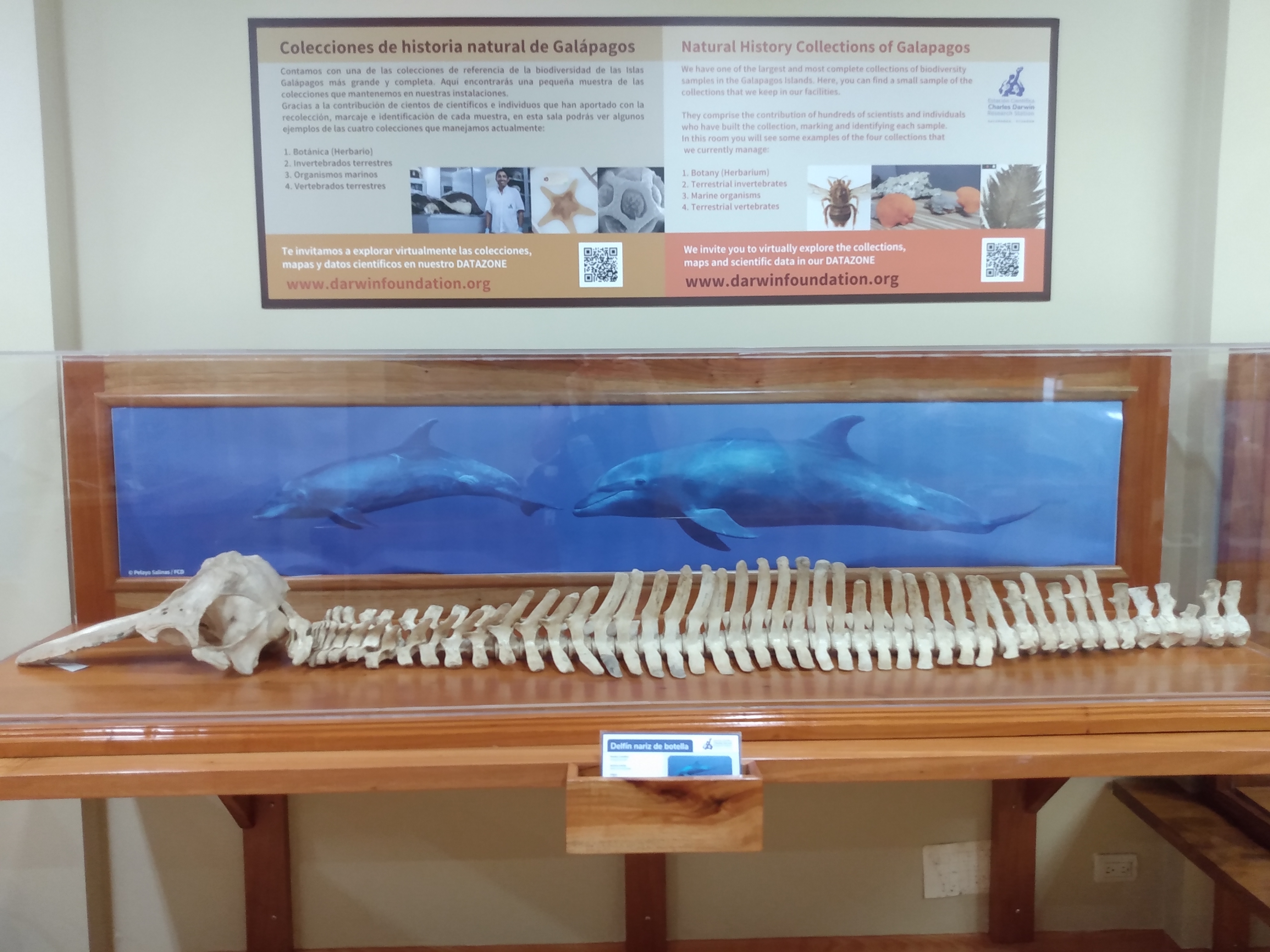
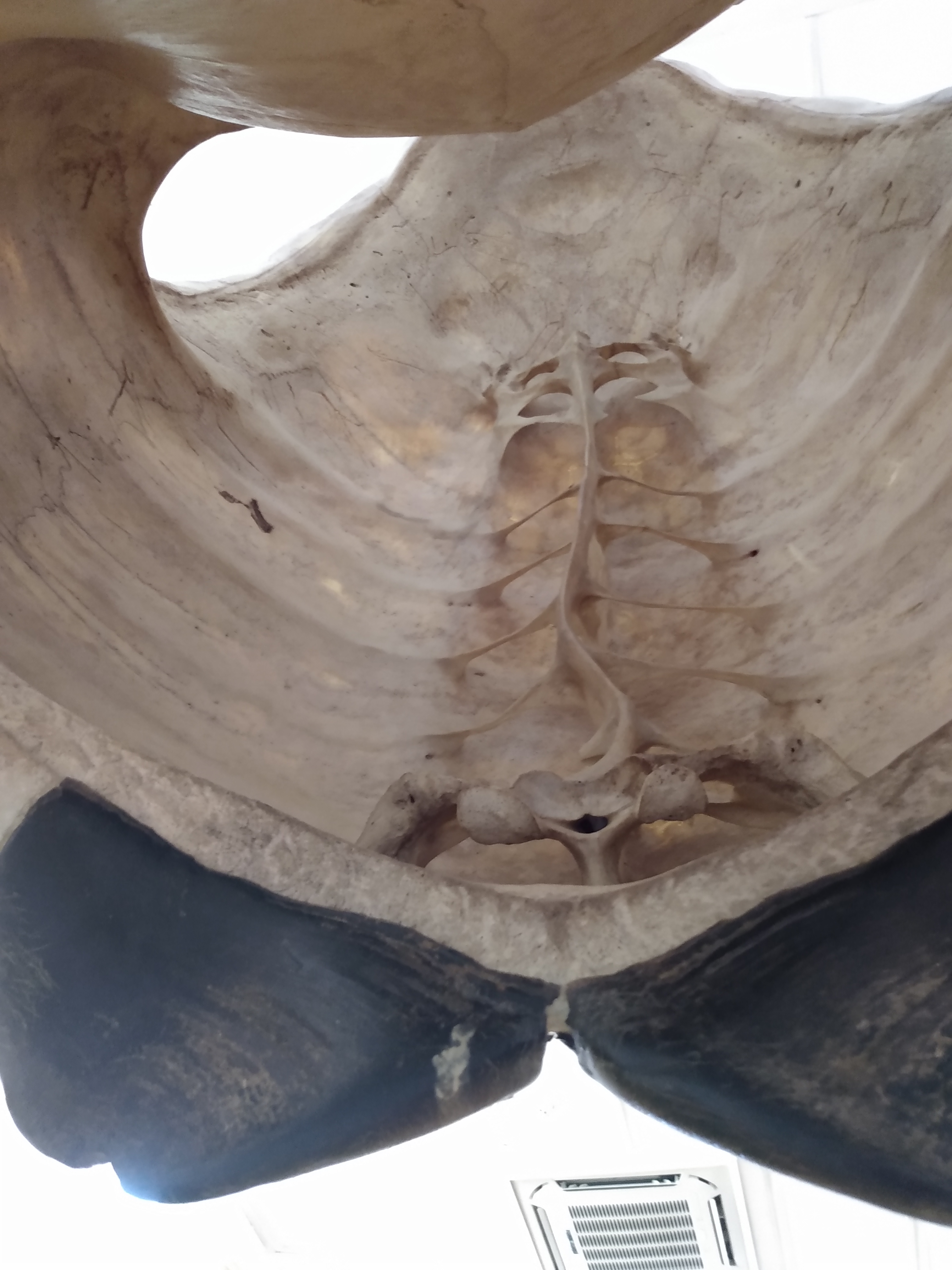
When I arrive at the station, I familiarize myself with the layout of the buildings. My first stop is the Charles Darwin Exhibition Hall, essentially a small museum showcasing samples from the Station’s natural history collections (including a skeleton of a Bryde’s whale!).
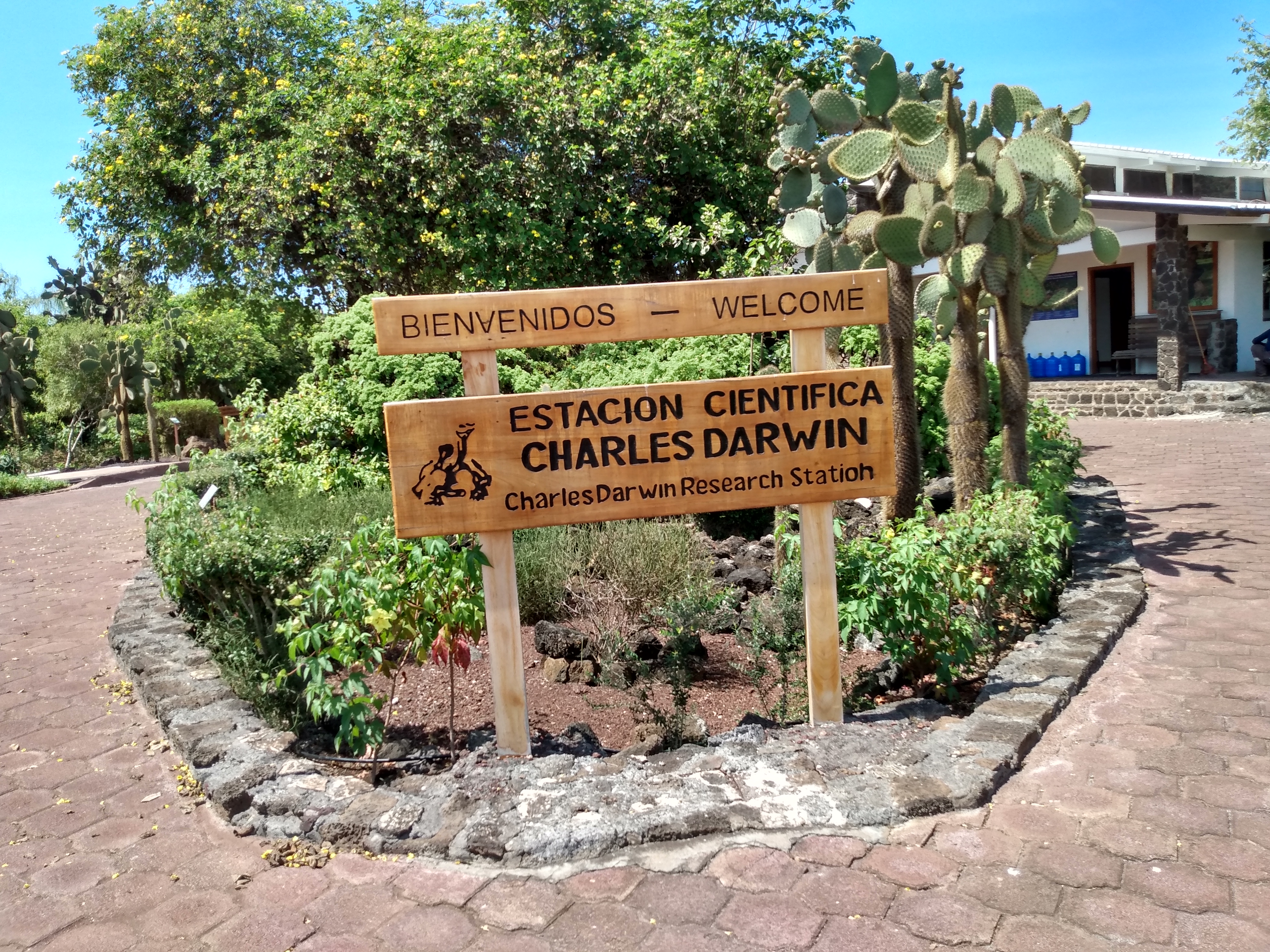
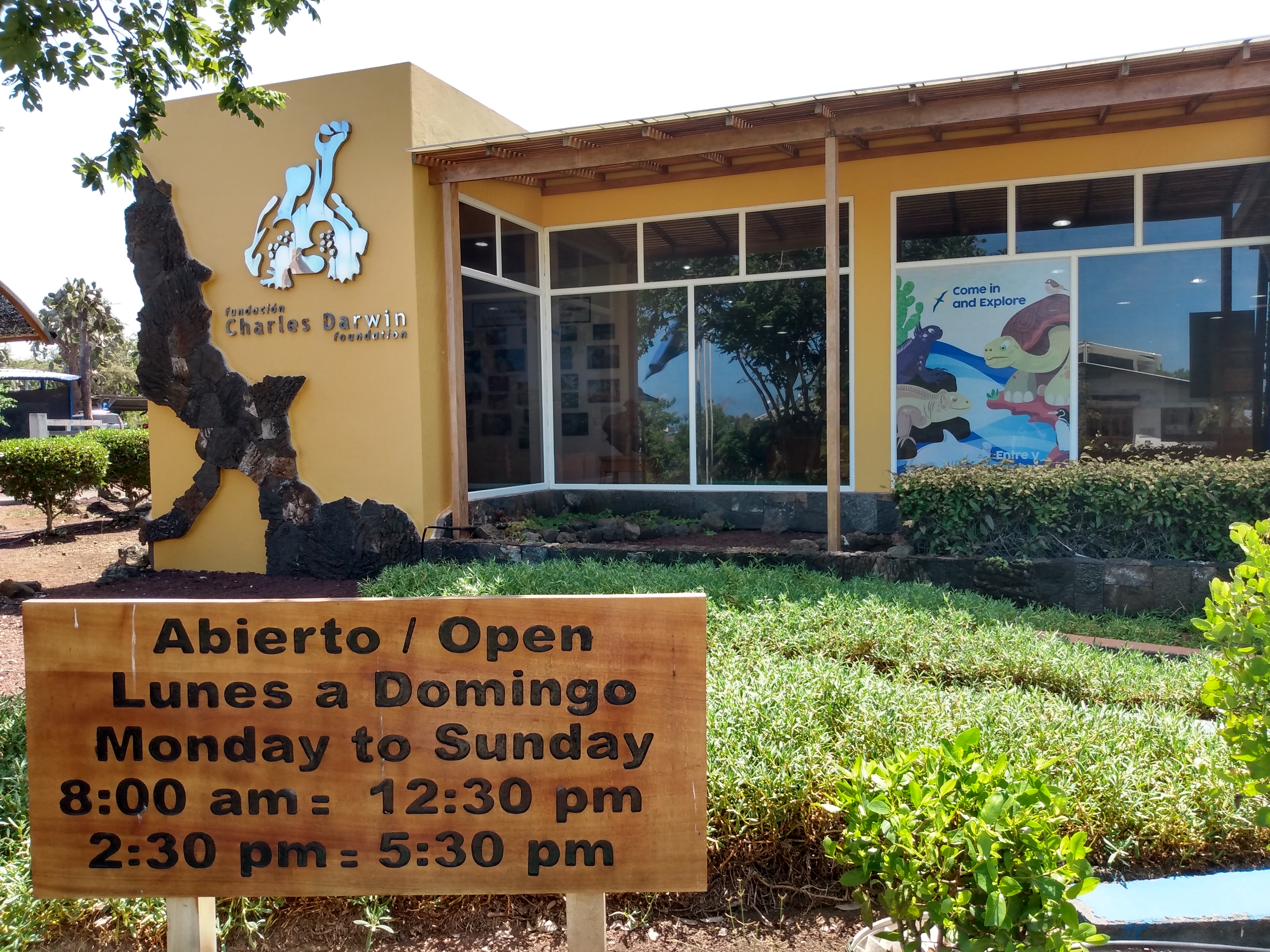
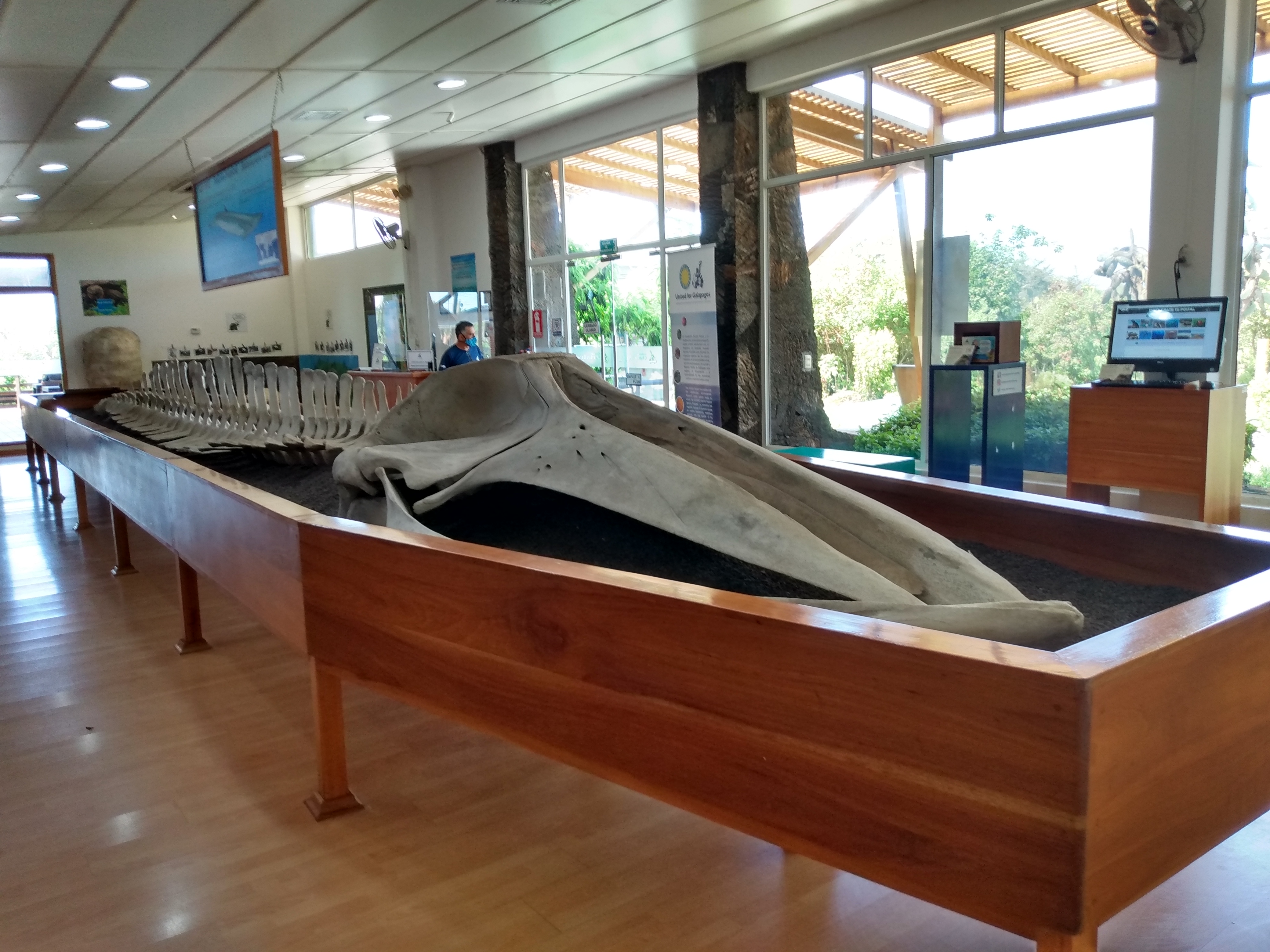
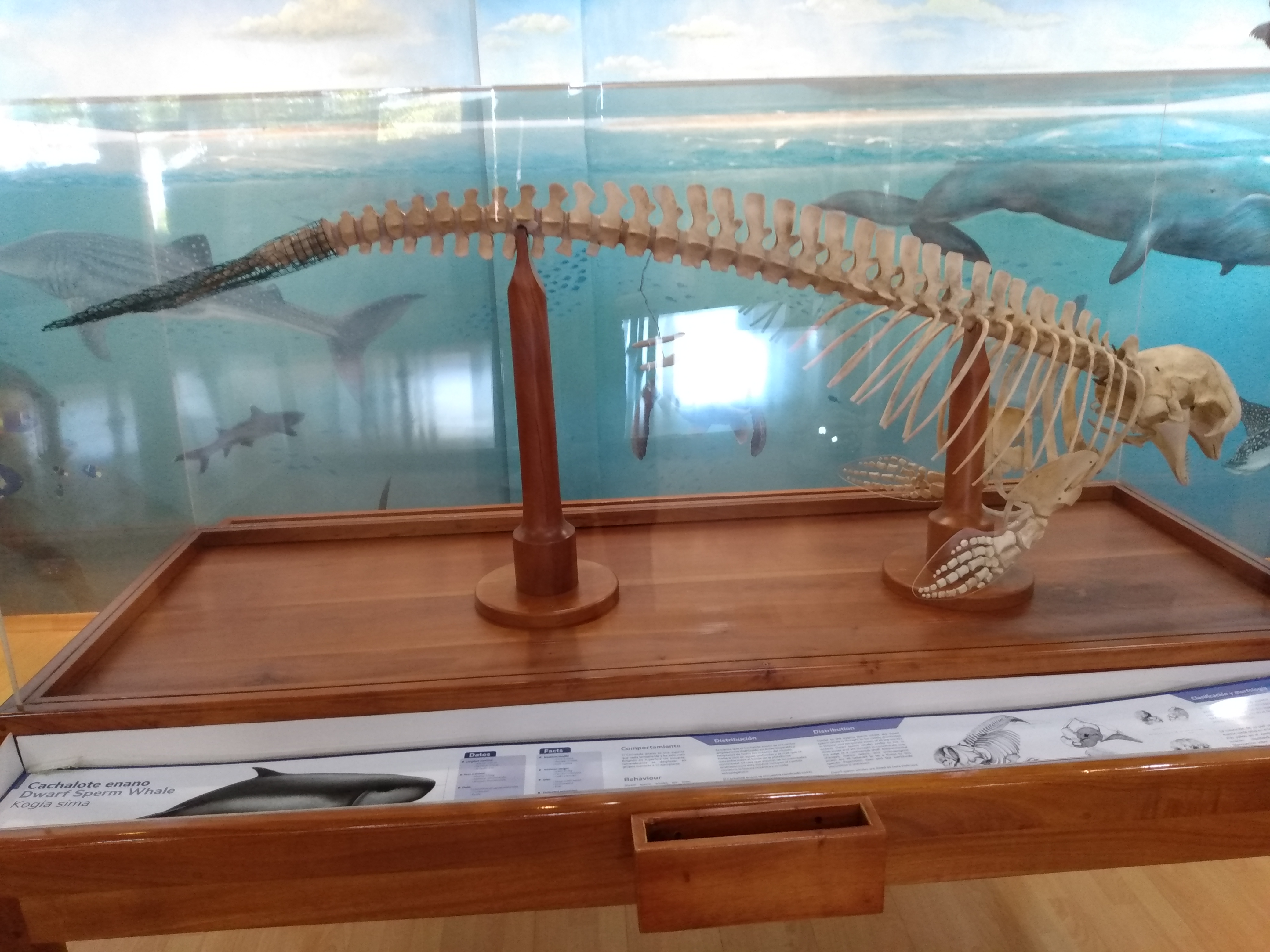
Then I head to the G. T. Corley Smith Library, where I spend the morning doing very productive research. I browse for a few minutes to get an overall sense of the various sections, and a book called Darwin and Design by Michael Ruse catches my eye. In it I find a reference to one of my favorite papers, “Darwin was a Teleologist” by James G. Lennox, whom I met in college during a summer program at the University of Pittsburgh while he was the director of the Center for Philosophy of Science there (and occasionally at conferences over the years since). His work over the past half century with colleagues David M. Balme and Allan Gotthelf helped bring about a renaissance in scholarship on Aristotle’s biological corpus by demonstrating that his philosophical works (including his logic and metaphysics) can only be fully understood in light of his scientific, largely biological, project. Lennox has also done much work on the history of teleological thought since, including in the context of Darwin’s theory of evolution by natural selection (as exemplified in the paper cited above). I see that Lennox also visited Galápagos a couple of years ago, and I realize he would be the ideal person to talk to about my current project here.
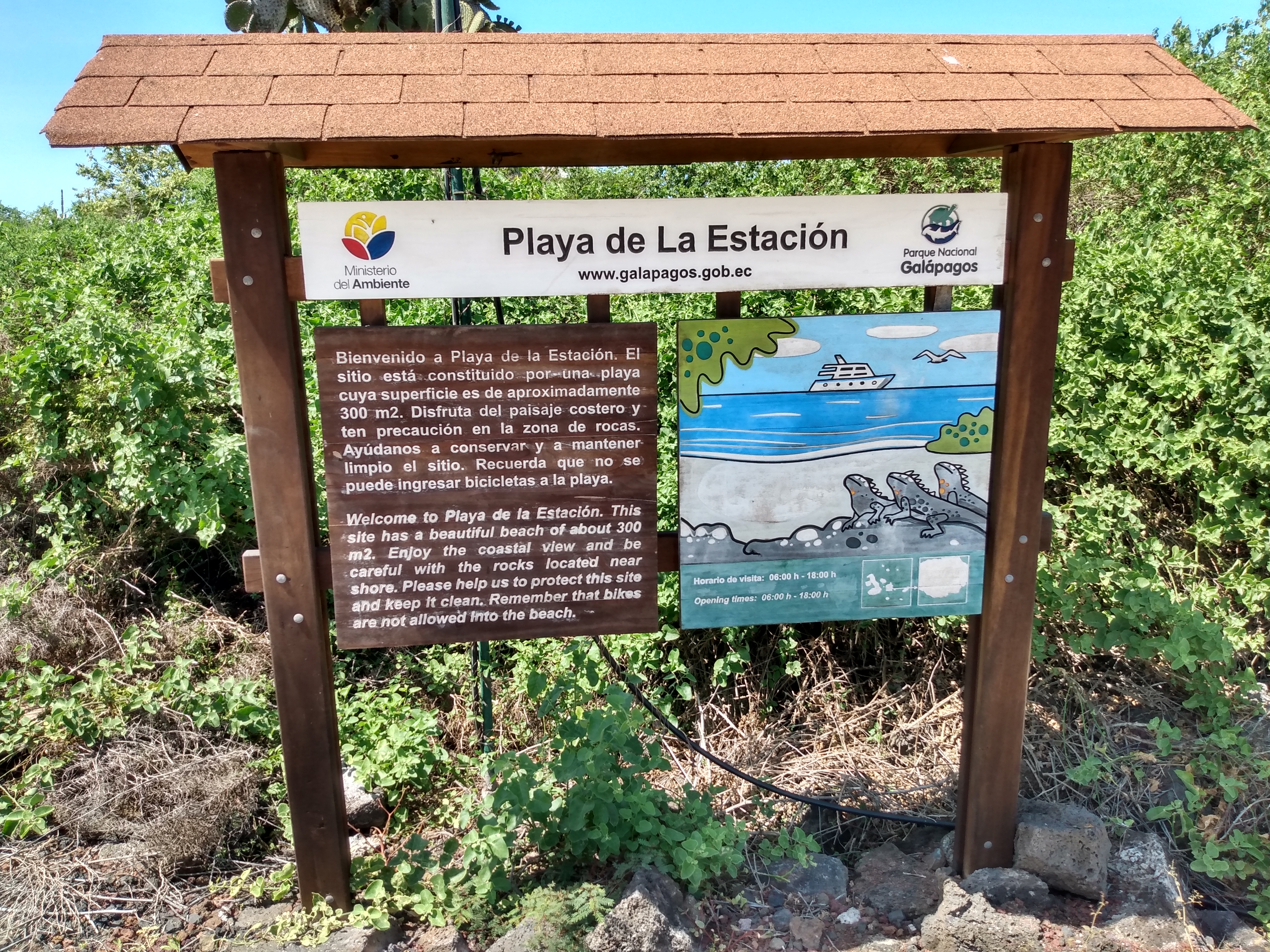
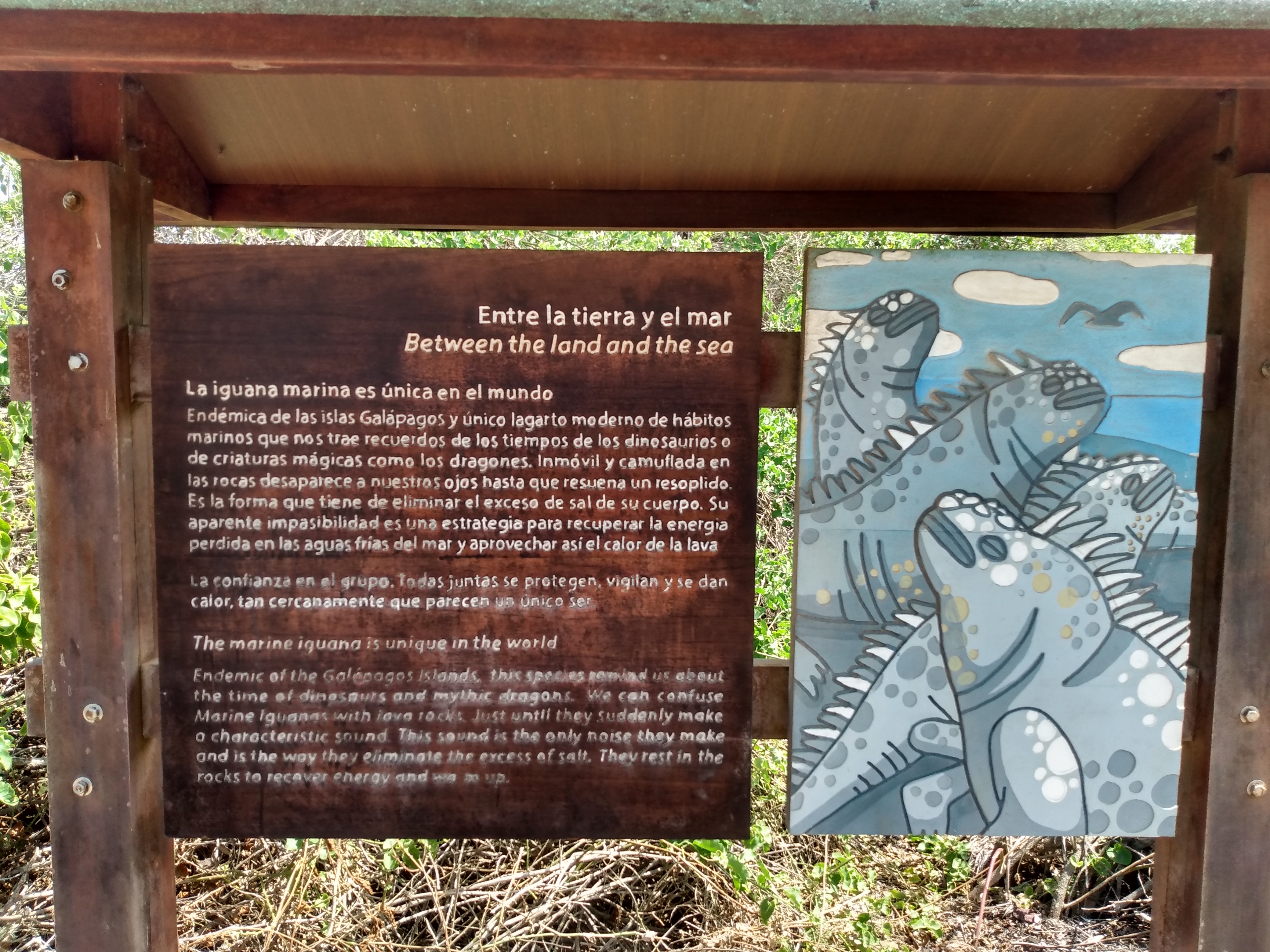
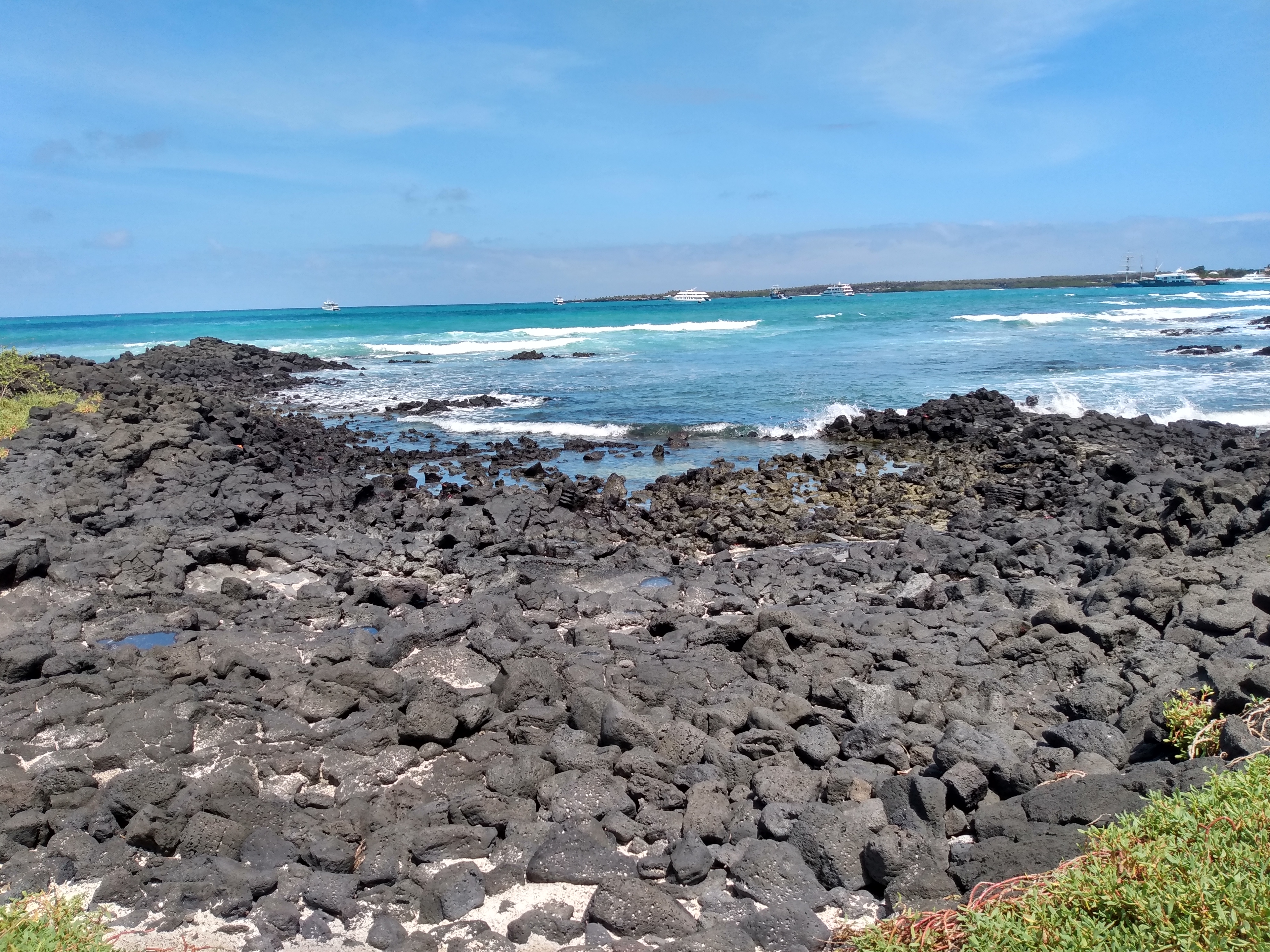
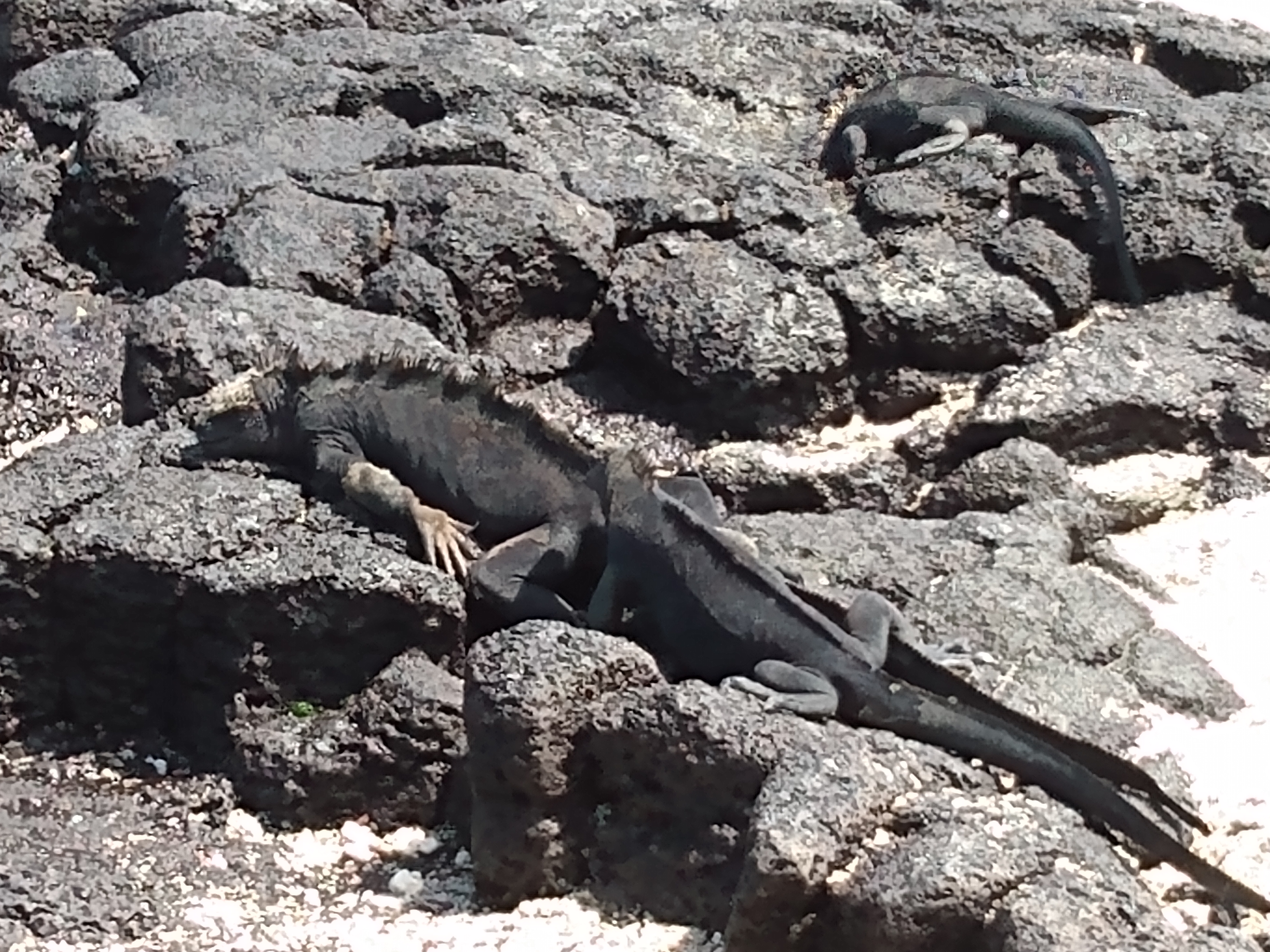
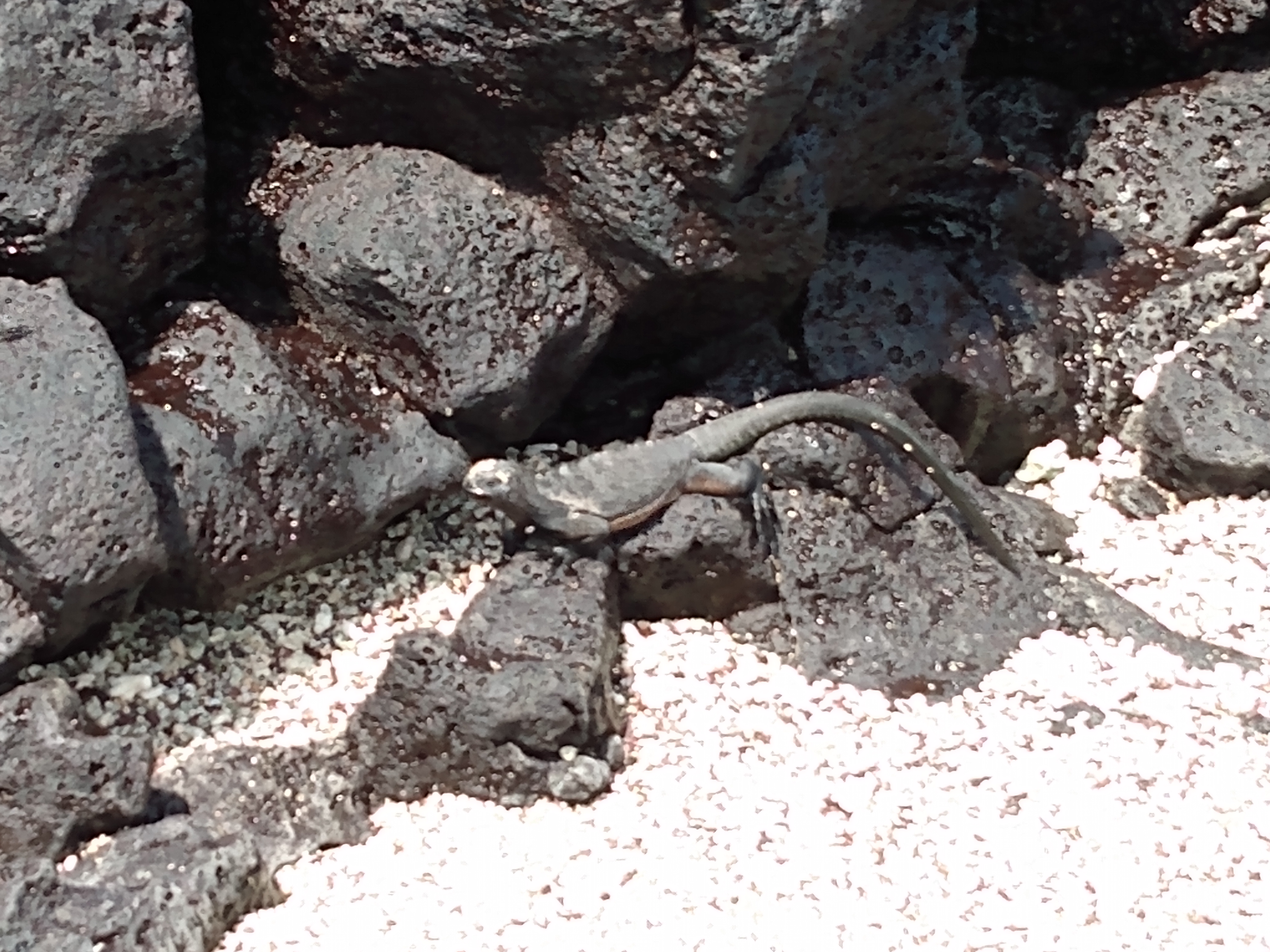
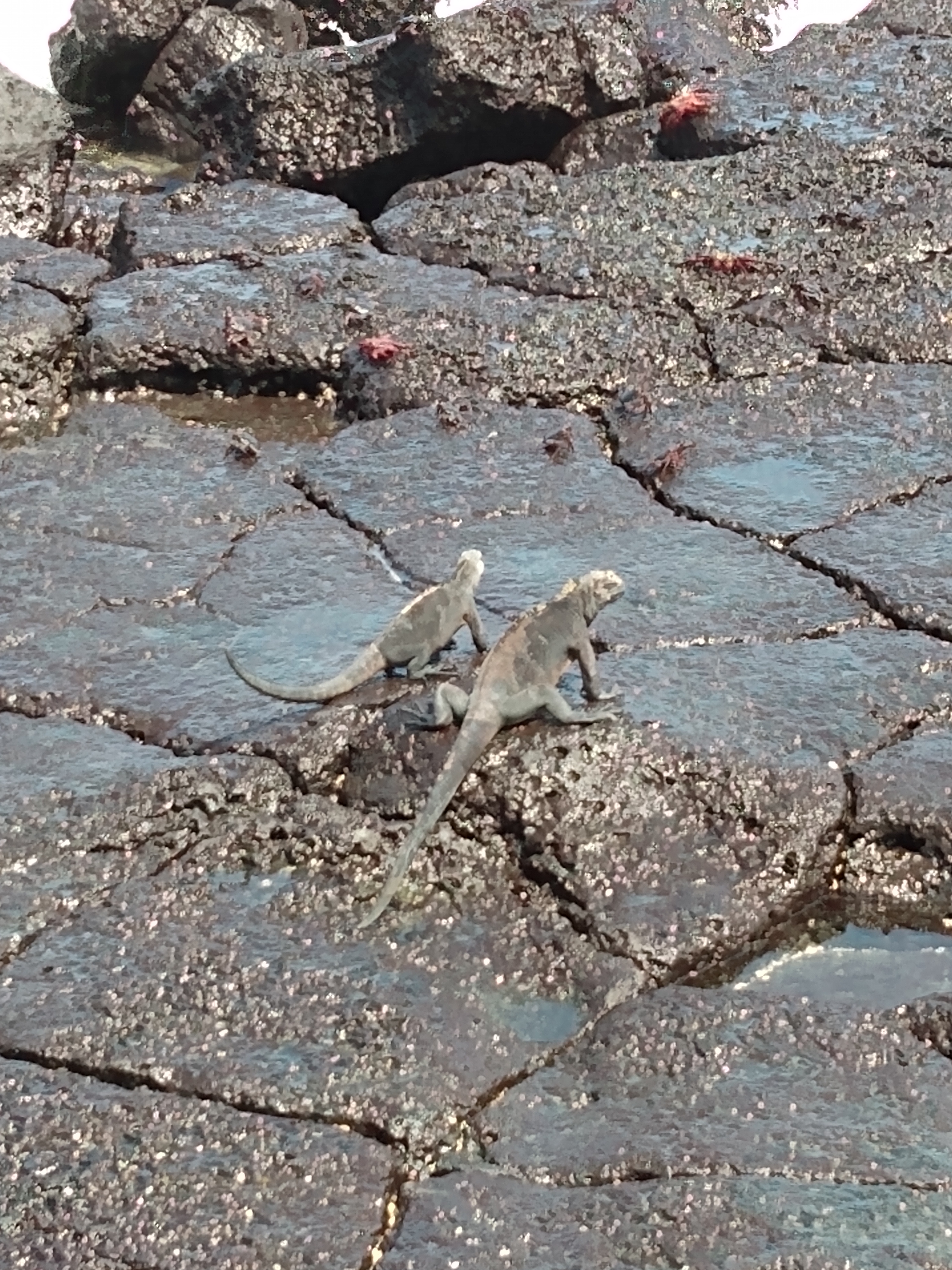
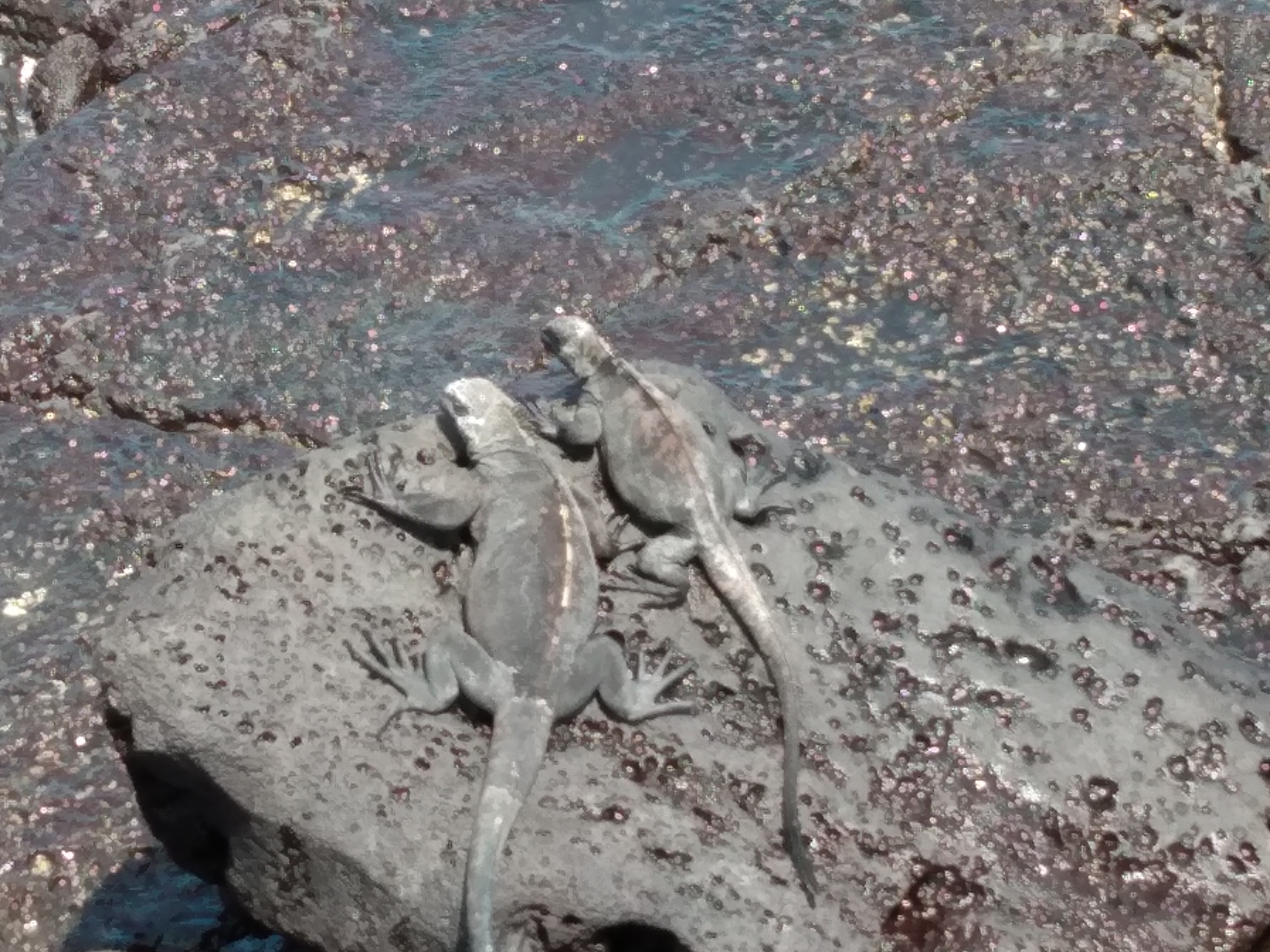
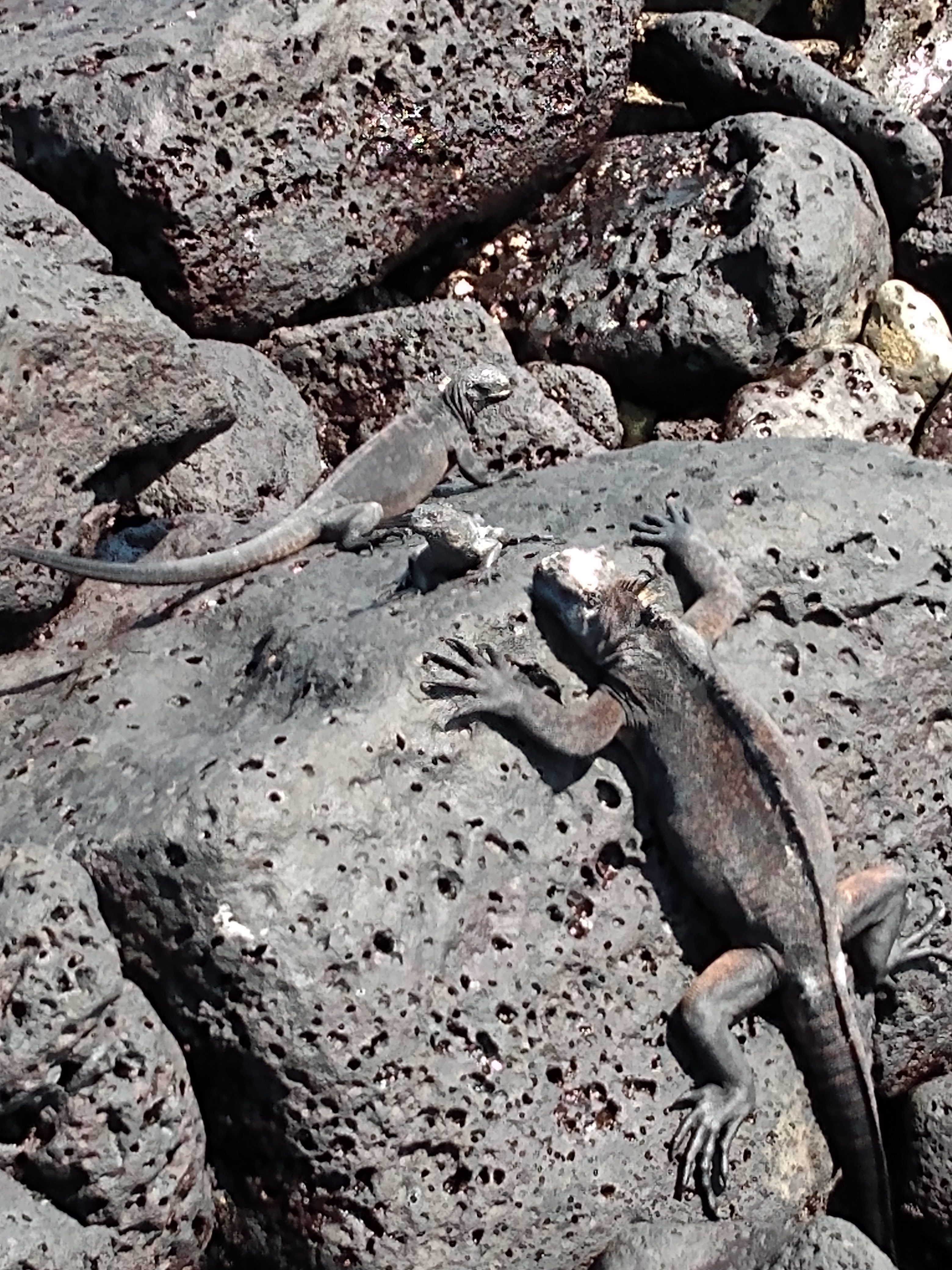
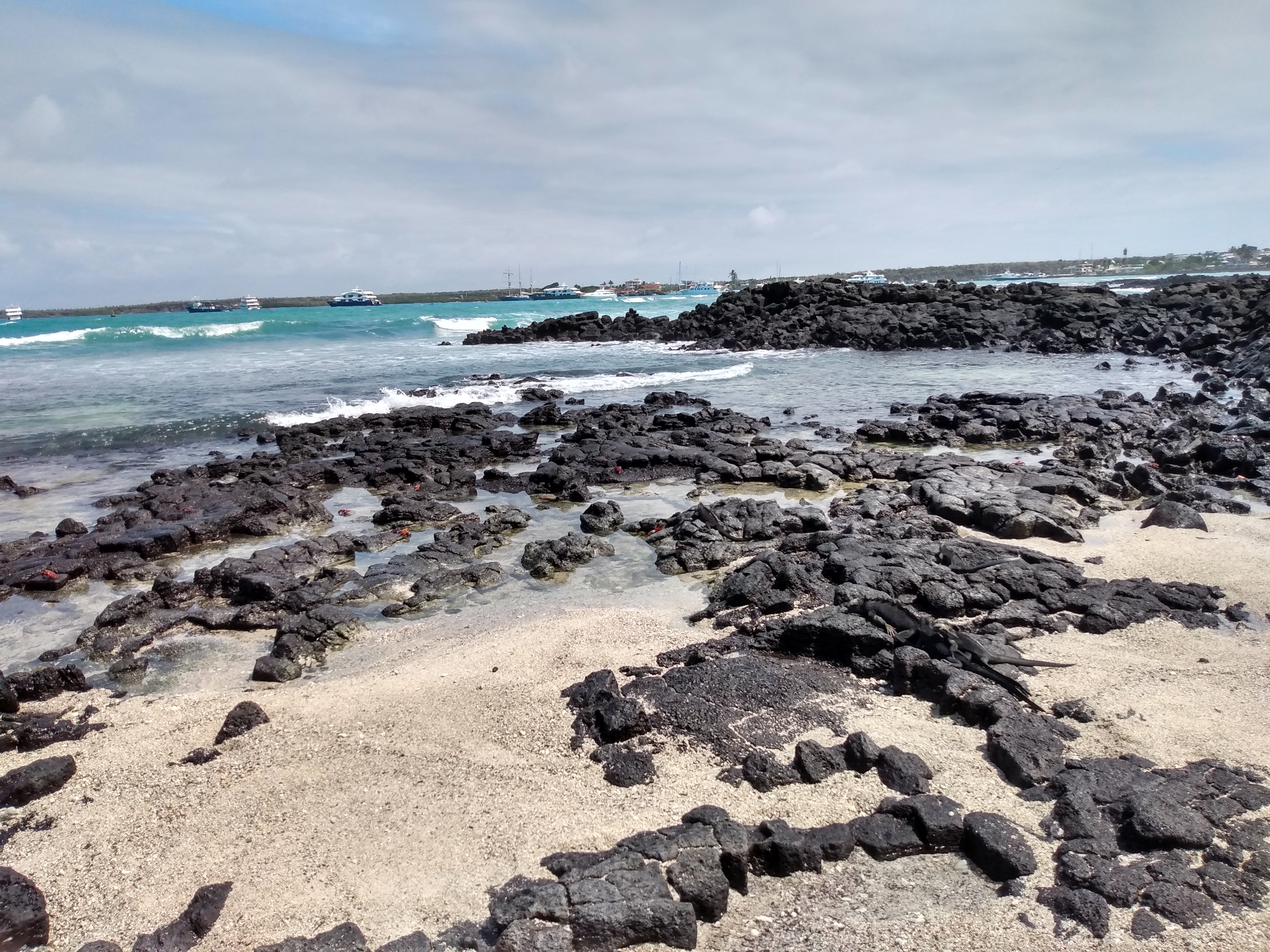
When the library closes for lunch I walk down to the beach by the Station and find the marine iguanas. For the first time I see them actually go into the water—aquatic iguanas are found nowhere else in the world. There is also a stunning variety of crabs scuttling about on the black volcanic rocks.
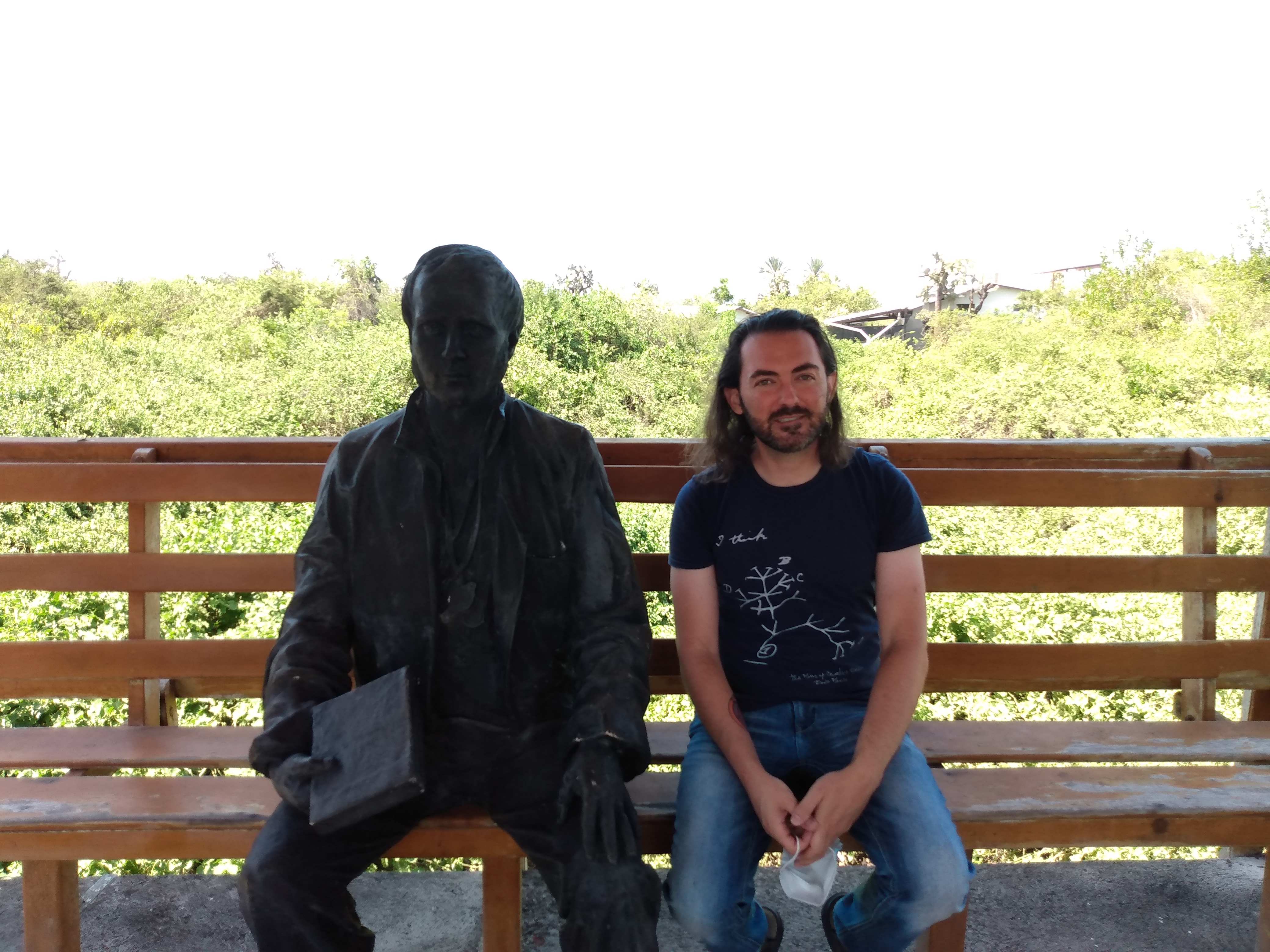
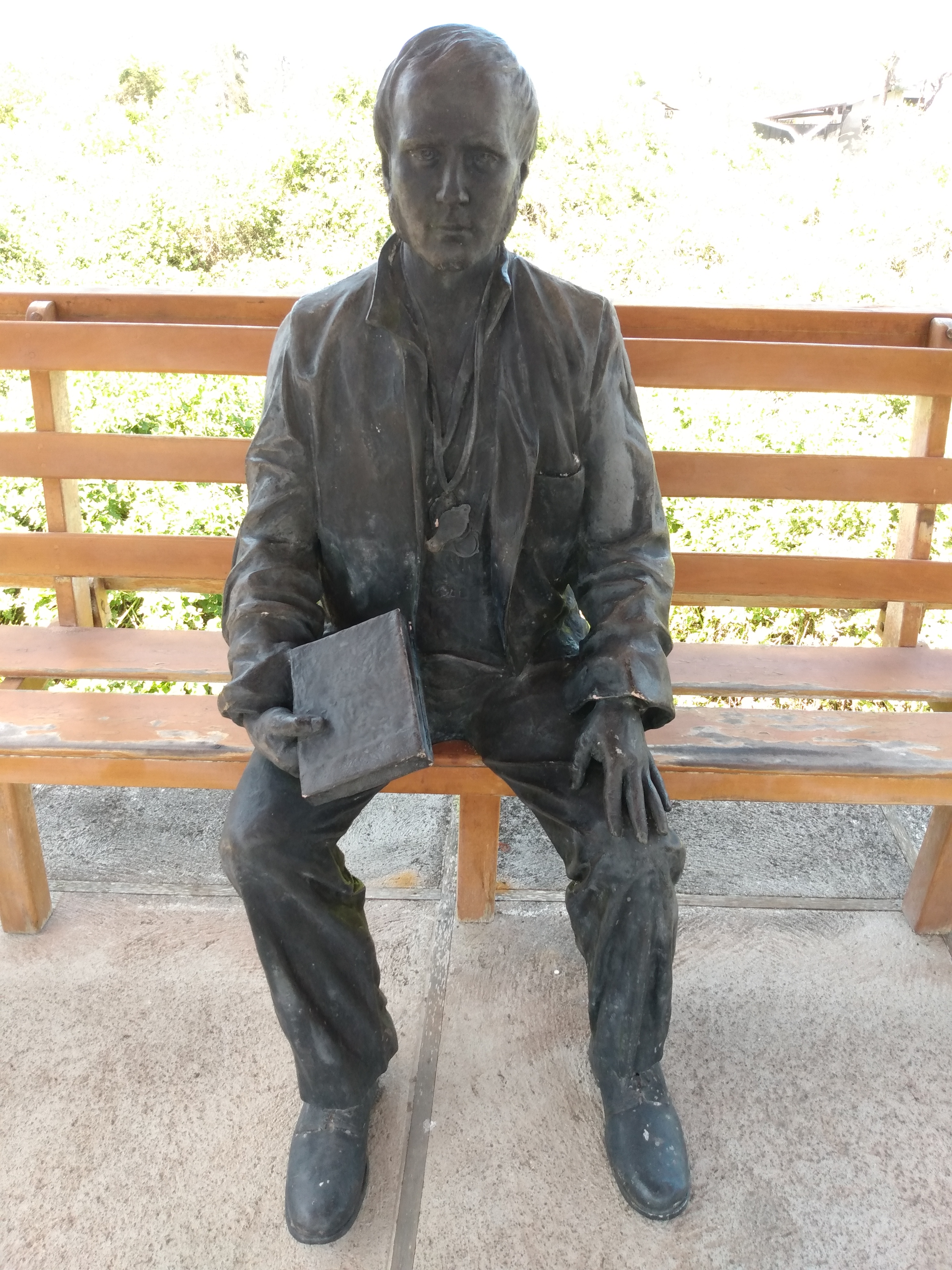
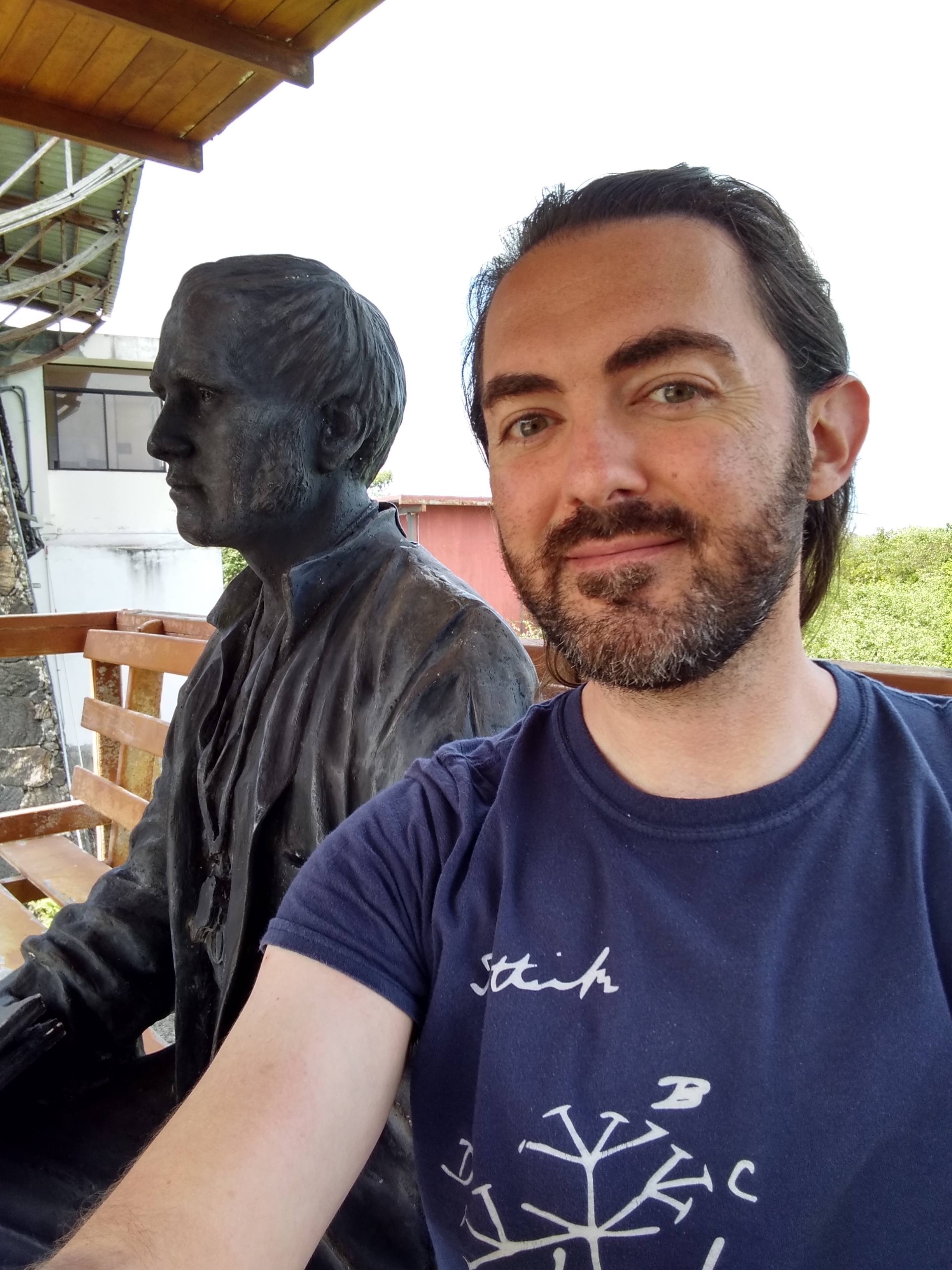
I walk back to the Station to find the statue of Charles Darwin by Ecuadorian sculptor Patricio Ruales that has sat here since 2014, between the two main science buildings with a view over the ocean behind him. I love that they chose to depict him as the young man he would have been when he visited here (based on the 1840 portrait by George Richmond, which I have a print of at home that hung on the wall of my study) with notebook and hand lens, not as the white-bearded philosopher sage most people are familiar with him as, but as a field researcher and explorer. His expression is serene, contemplative, and far-seeing (probably not coincidentally facing directly into the setting sun). It’s perfect. It really is one of my favorite sculptures now, maybe my very favorite! As I watch, families come to visit the statue, and I can tell this is a version of Darwin that kids can identify with and aspire to be like. Now I’m sitting next to Darwin, about to go see the giant tortoises at the Station’s breeding center. I love this statue… I almost feel like I’m really sitting next to Darwin. I kinda don’t want to leave!
But the giant tortoises beckon…🐢🐢🐢
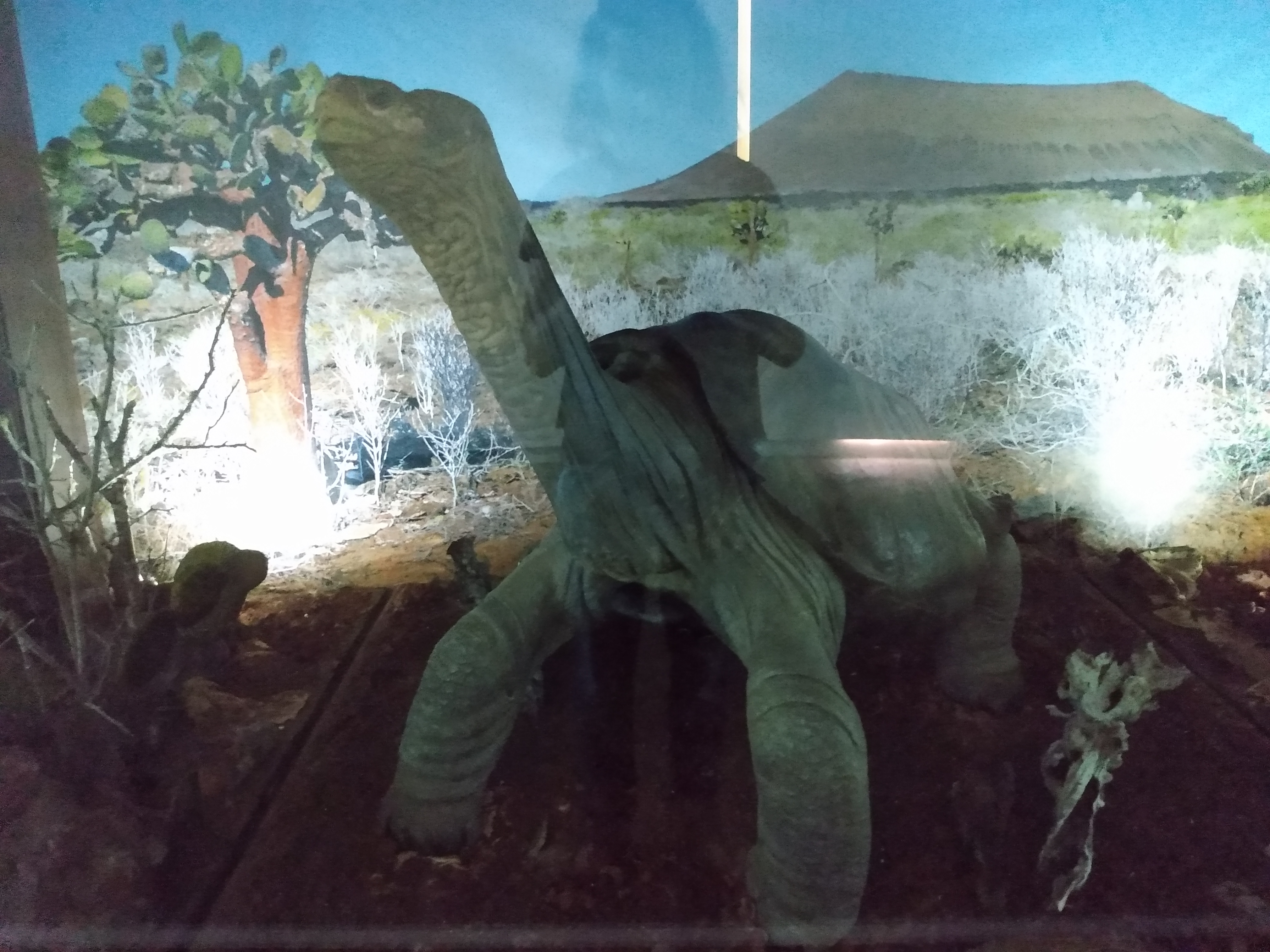
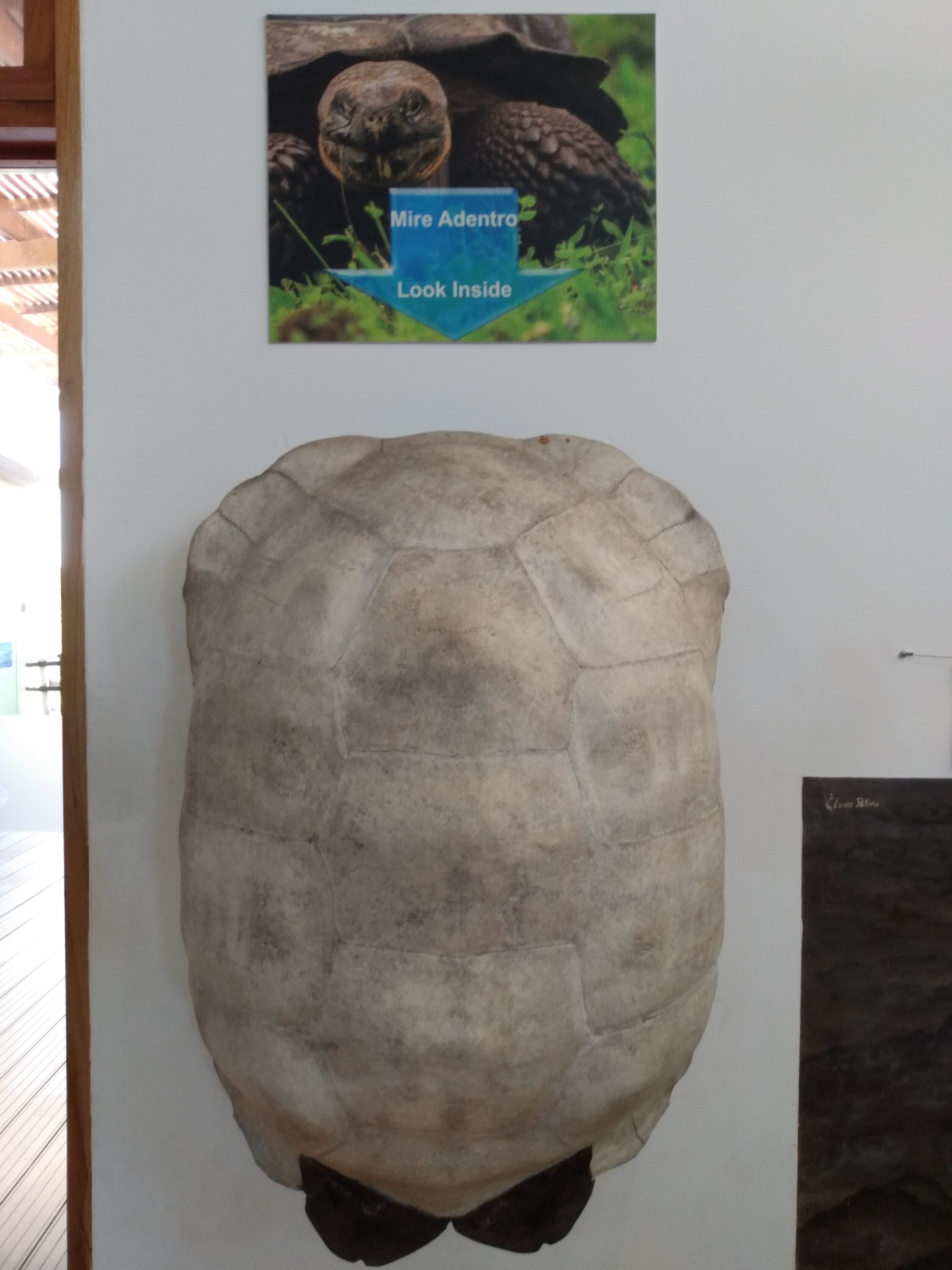
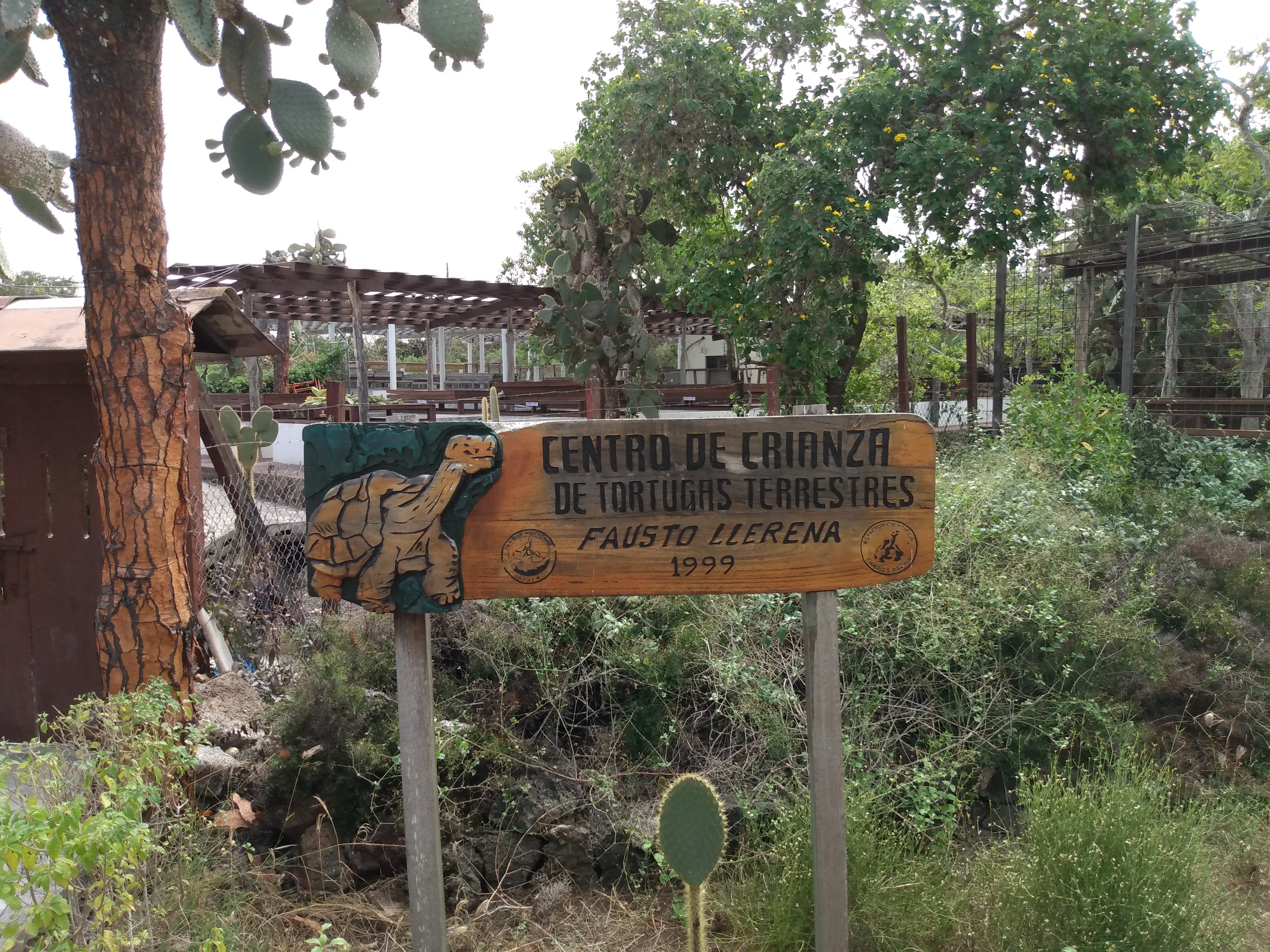
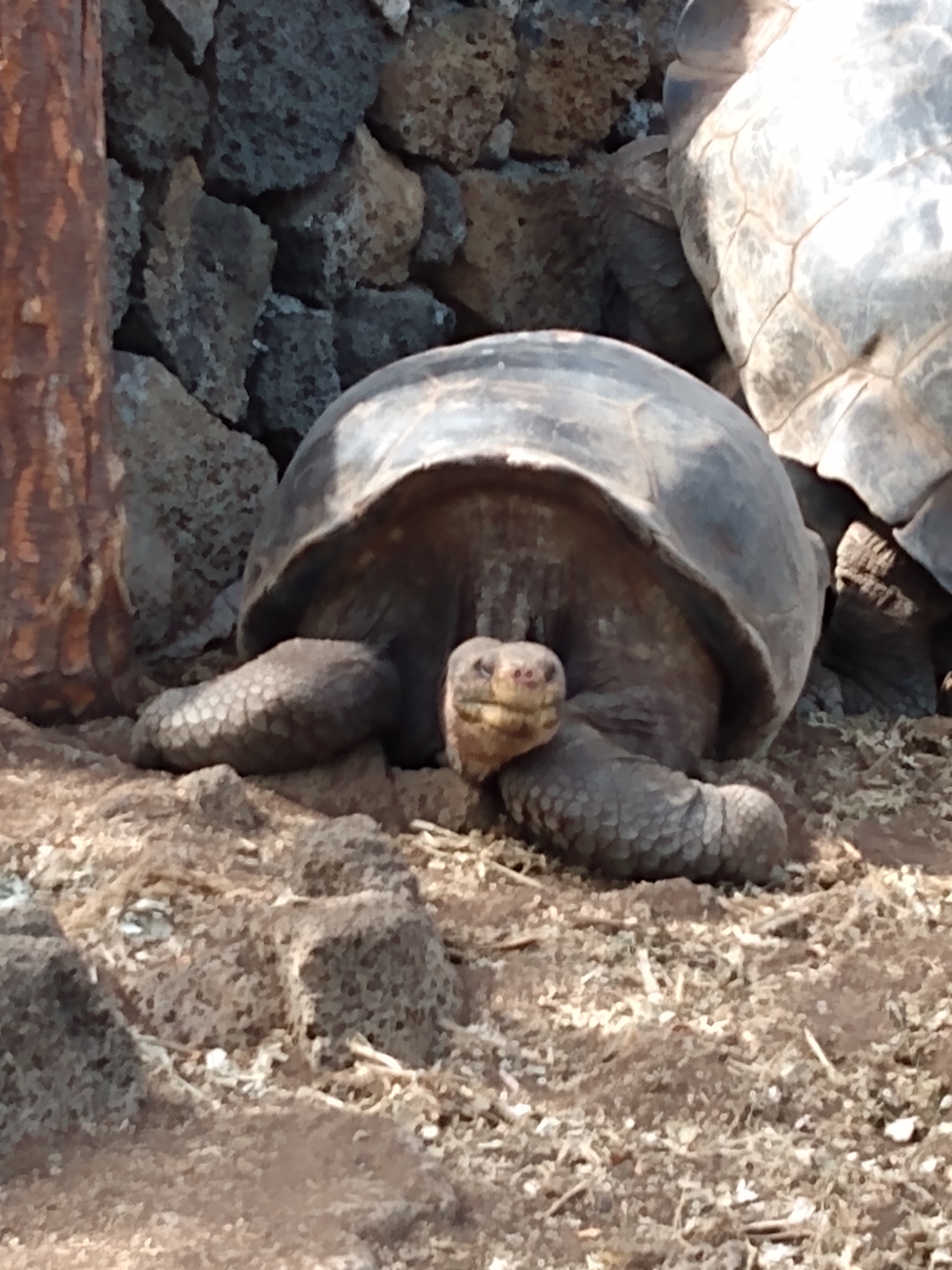
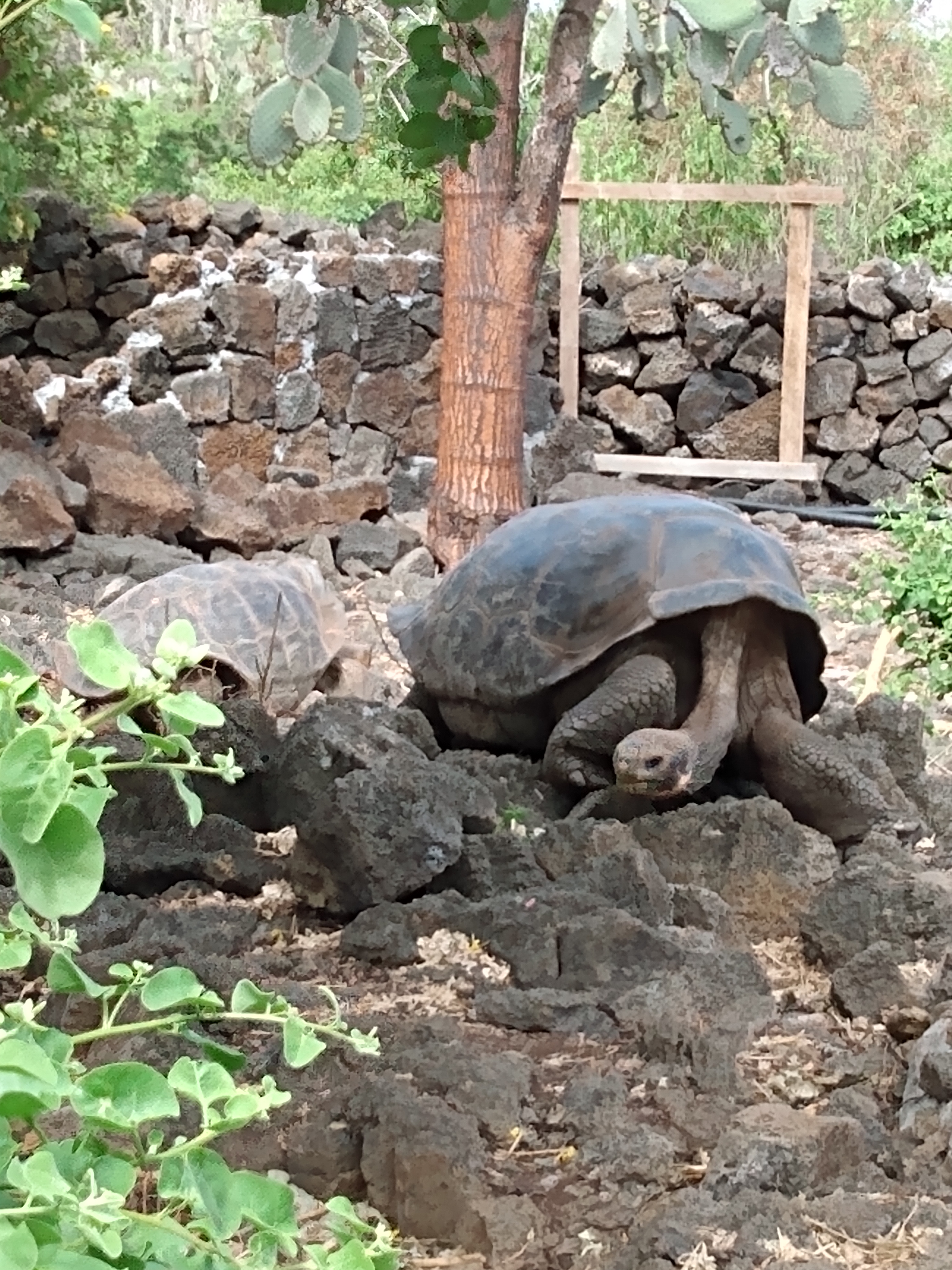
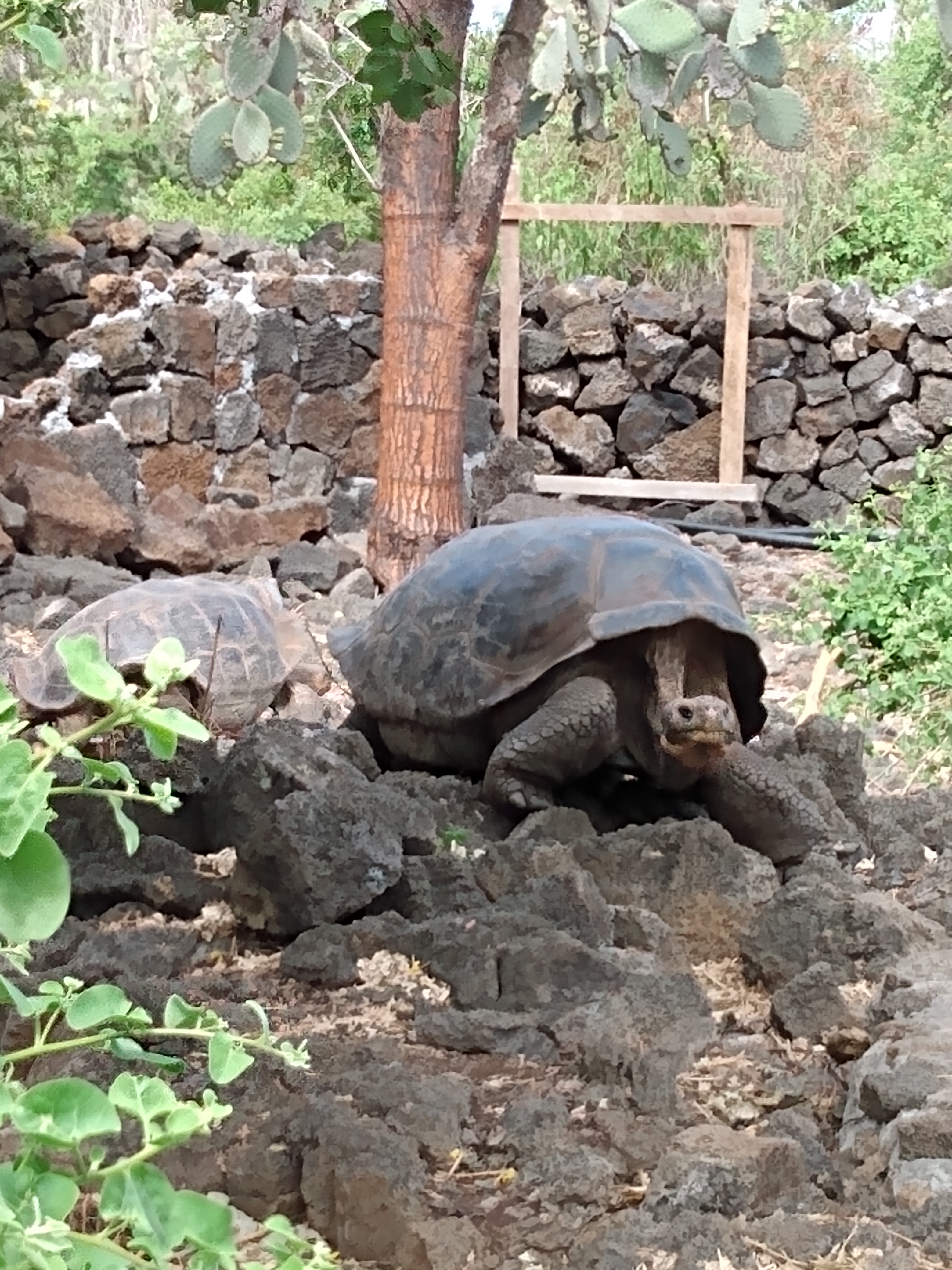
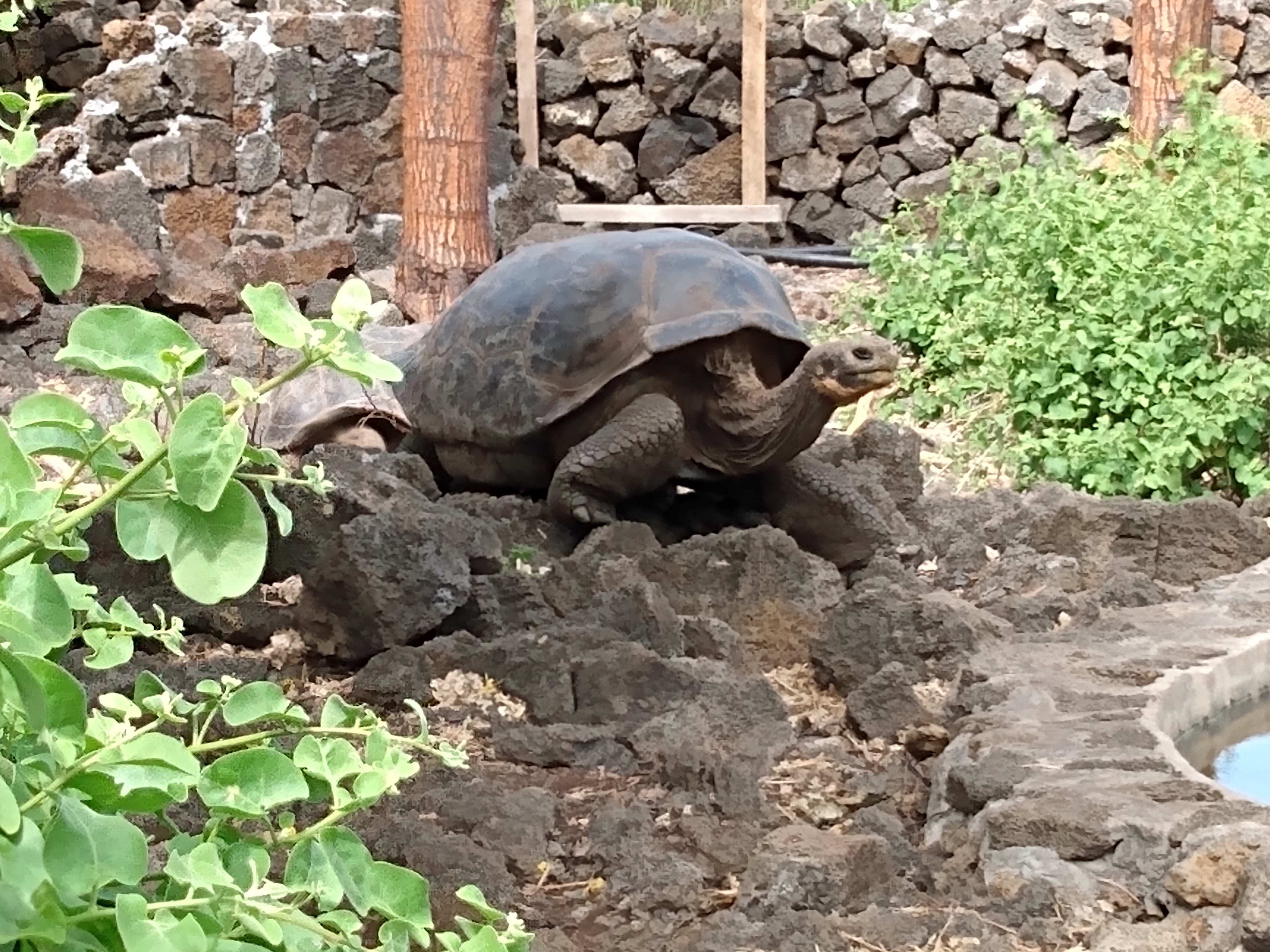
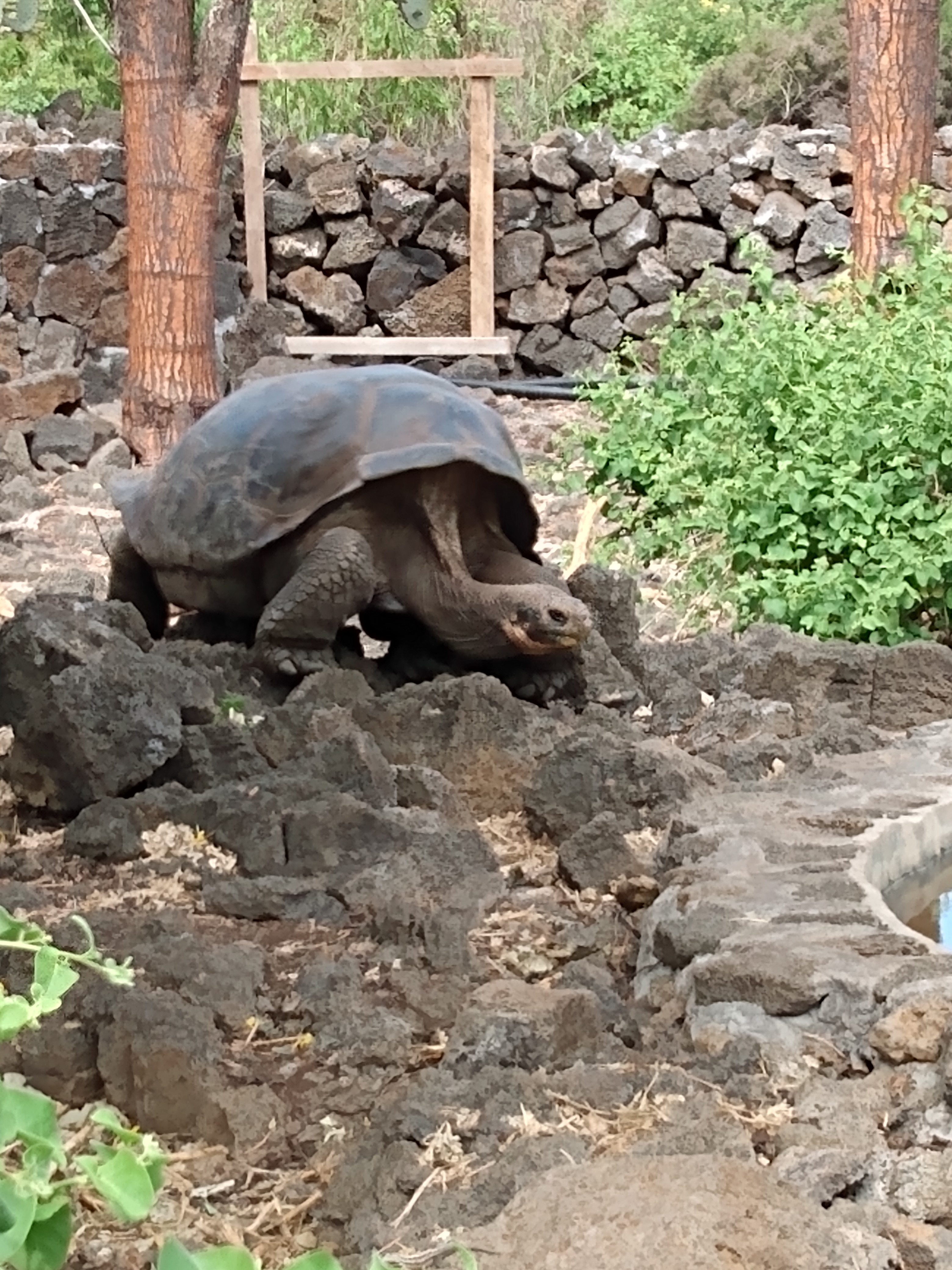
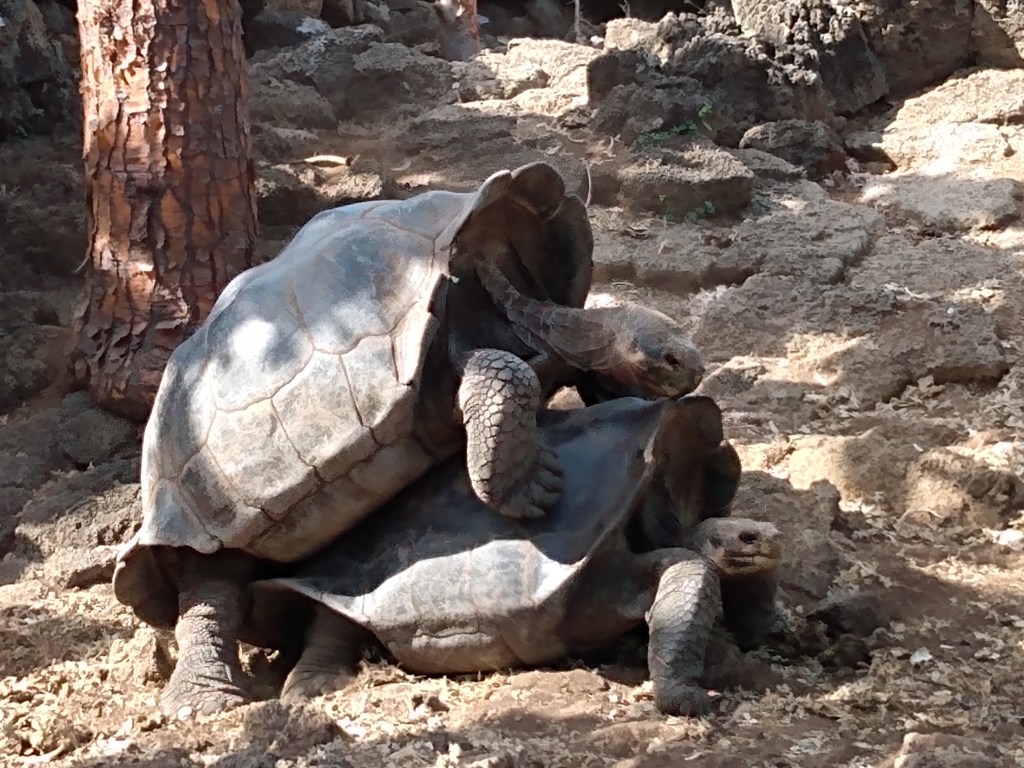
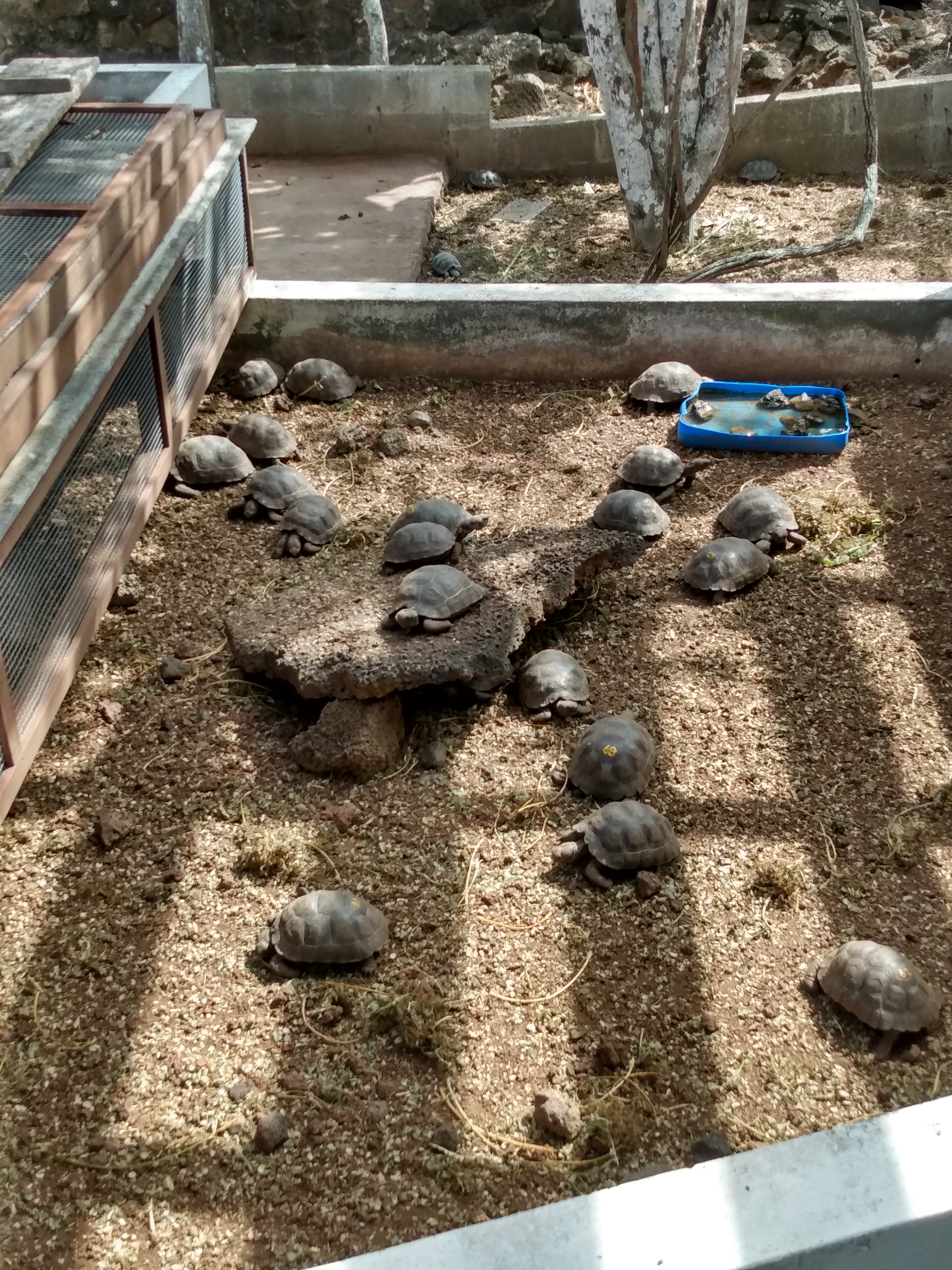
The tortoises are placed in separate areas according to species from the archipelago’s various islands, some with lower shells for grazing closer to the ground, some with more saddle-shaped shells enabling them to stretch their long necks upward to reach higher foliage. In the heat of the midday sun, some rest in the shade under trees and bushes, others sit in pools of water. I’m lucky enough to observe a couple of pairs mating (pretty much the only time they vocalize, as the male makes a sort of slow, rhythmic, low grunting moan that can be heard some ways off). The infants and adolescents are placed in separate areas as well.
After seeing the tortoises I return to the library to continue my studies until they close, then make the walk back to Puerto Ayora. In the evening I go to the Galápagos Deli for dinner, where their freshly-baked pan integral (whole-wheat bread) makes for a tasty sandwich, and their homemade helado a delicious dessert. On my way back to the hostel, I stop by a handful of tour agencies and get offers for what sound like basically the same two cruises (so I think most of the agencies are all representing the same few operators), just at slightly different prices. Basically it sounds like the only options at the moment are both 8-day first class cruises, which will be nice but a bit more expensive than I was planning on.
One leaves on Tuesday and may or may not still have space available, depending on whether someone that had them lock in a space until tomorrow ends up going with it or not. The other one doesn’t leave until the 20th (so I’d probably stay here on Santa Cruz for a couple more weeks first), but sounds pretty awesome. The prices I’ve been quoted range from $1,450 to $1,800 (most were 1.5 or 1.7). But I could either pay with my card (depending on who I book through, though there will probably be additional fees and maybe taxes that way) or get the rest of the cash I need from an ATM and only pay the ATM fee on the difference. My other option is just doing some day trips, which are cheaper but you don’t actually end up doing as much for the price, and they don’t go to a lot of the places the cruise tours do.
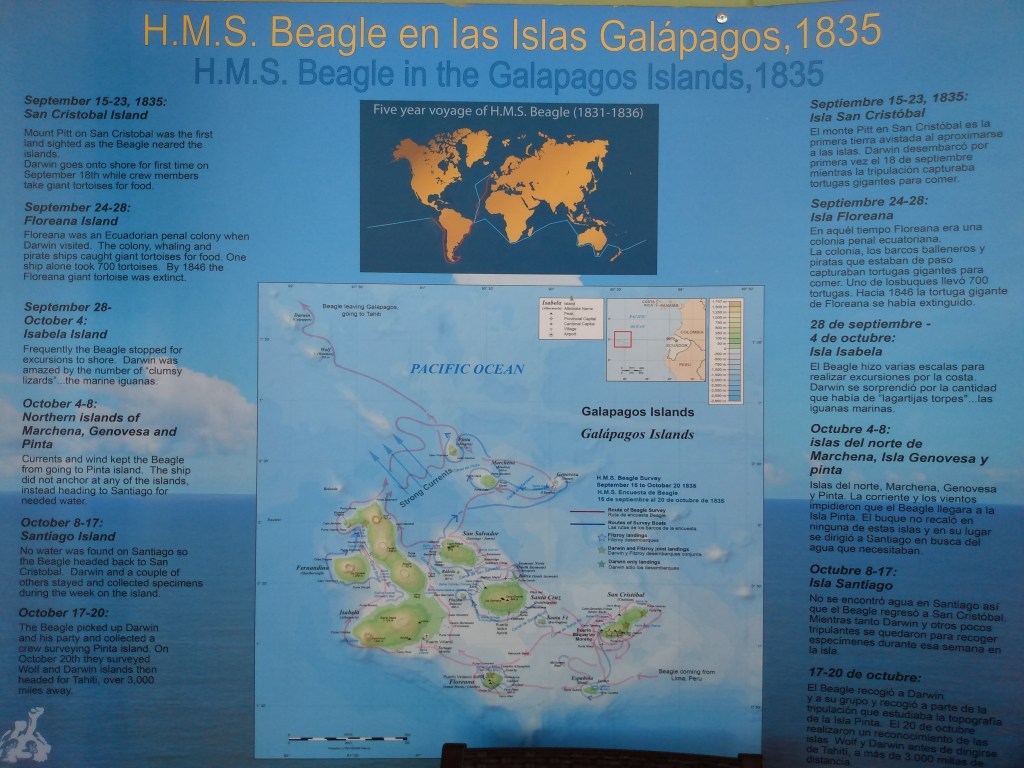
The cruise I’m leaning toward visits about half a dozen of the islands, so all but a couple of the major ones, and I could take a day trip to Floreana from here in the meantime and then spend some time on San Cristóbal later and take a day trip from there to Española. I’d have a cabin to myself, meals and everything included, so when you factor in accommodation costs and day trips, the price per day actually isn’t that bad. And apparently the naturalist tour guide on it previously worked on the National Geographic boat and might be good to discuss my book with. (The same ship was supposed to have a tour leaving this Sunday too, but apparently they haven’t had enough people book it…many of the cruise lines have shut down during the previous year, at least temporarily, during the pandemic, and those that remain are competing for the relatively few tourists.) I’m basically getting a first-class cruise at an economy price. It’s a bit more than I was planning on spending, but I think it will be worth it… it’ll be a once in a lifetime experience, at seriously a third of the usual price! And way more comfortable than Darwin’s cruise around Galapagos (at one point during the Beagle voyage he wrote to a cousin, “I hate every wave of the ocean, with a fervor, which you, who have only seen the green waters of the shore, can never understand”)… It would be cool if my ship were called the Beagle II, though!
On the whole, it was a wonderful first full day in Galápagos! I got a bit sunburned, though…I didn’t think I was out in the sun THAT much, and I didn’t get burned at all during the month I just spent in Curaçao so I wasn’t that worried, but since I’m even closer to the equator here (pretty much right on it) and most of my time outside was during midday, it’s the most direct UV exposure you can get anywhere at any time on the planet. Still, it was worth it!

