On the afternoon of Friday 30 October 2026, I was in the municipal offices of Santa Cruz island in Puerto Ayora paying some bills when the rain started. A small crowd of people waited for around an hour to see if it would let up and then, as the municipio closed, one by one caught a taxi or ventured out into the rain to try to make it home, as I eventually did. The rain did not let up, but intensified, and did not stop for fifteen hours. Ultimately, it rained that night as it has not rained here in any October on record.
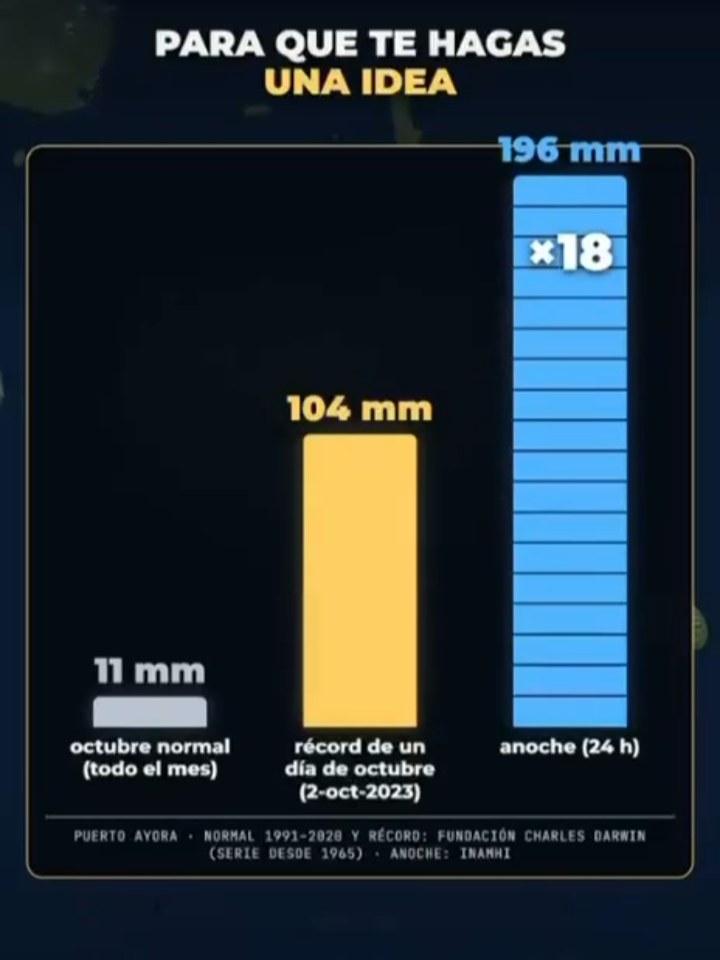
Puerto Ayora gets an average of around 11 mm of rain for the whole month in a normal October. The most it had ever had in a single October day on the record before was 104 mm, in 2023. On Friday night the INAMHI station in town measured 196 mm in twenty-four hours: nearly twice the old record, and almost twenty times the monthly average, or eighteen Octobers in one night.
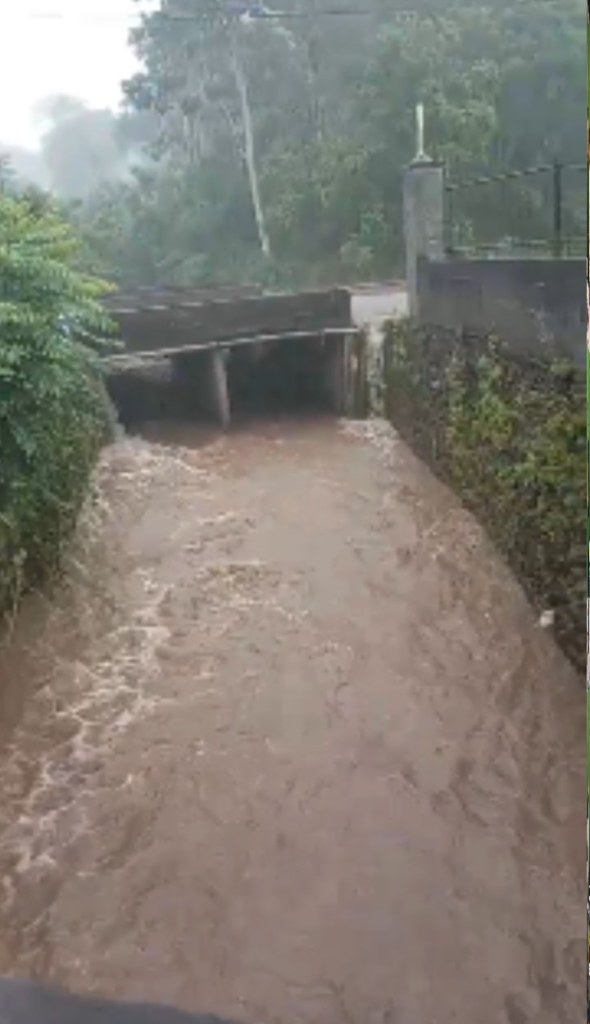
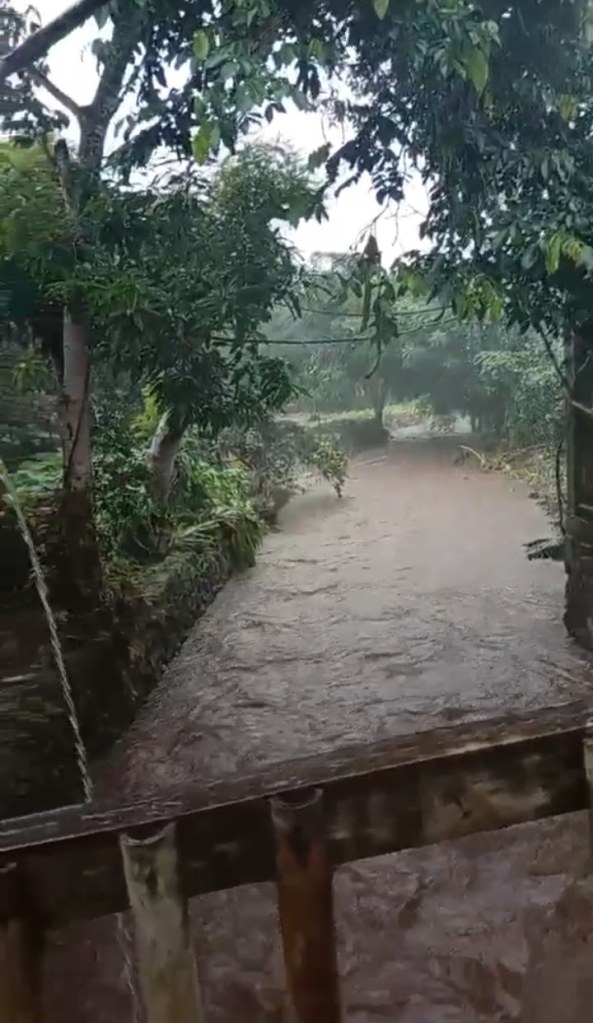
The encañadas, the dry channels that carry the rare runoff from the highlands down through Bellavista (the small town just above Puerto Ayora) to the sea, filled and overflowed, El Aguacatal first. Seventy percent of the barrio La Cascada went under two to three metres of water. A building collapsed in Miramar. Power poles came down and the highlands went dark. I watched the status updates of people trapped on the roofs of their homes from before midnight until after three in the morning, begging for rescue, which came from surfers evacuating people on boards and kayaks down streets turned into rivers.
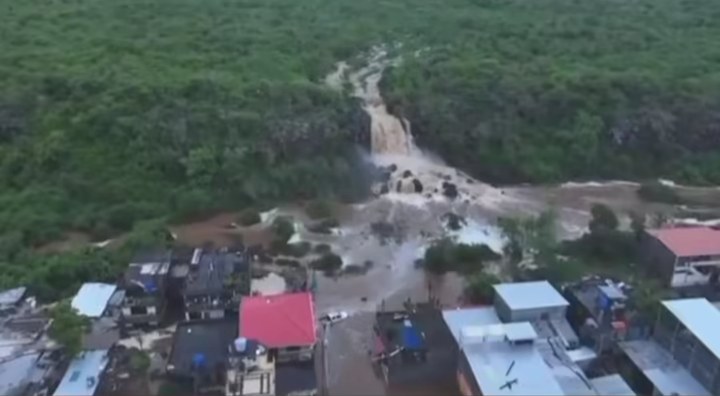
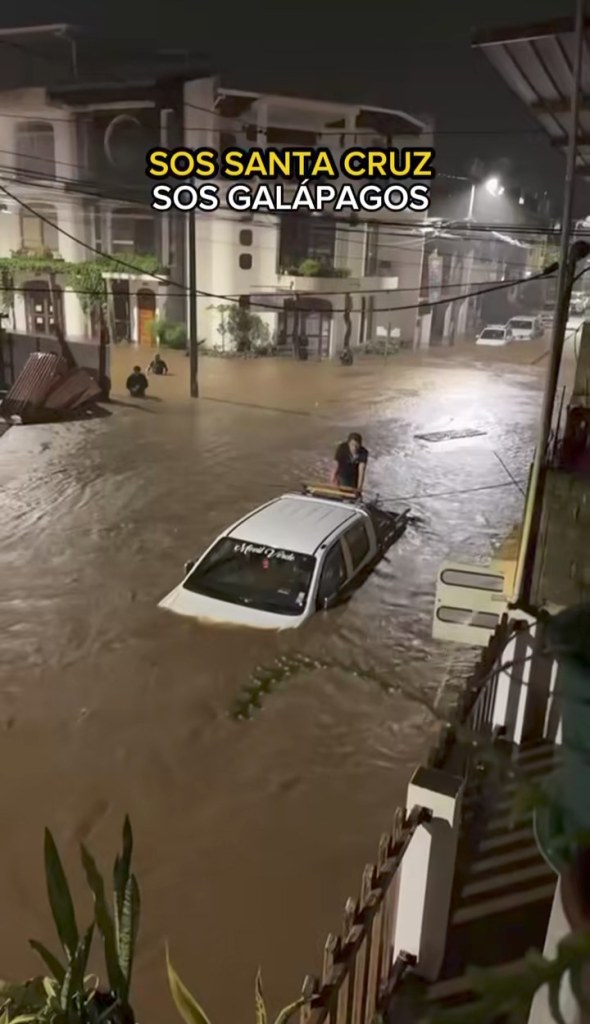
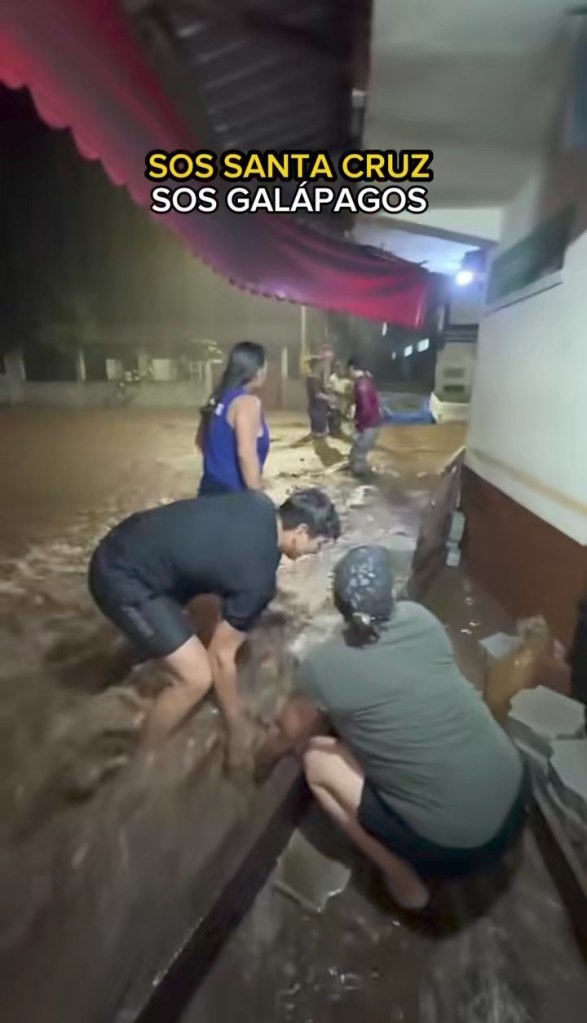
One person died in Bellavista that night and two went missing in Divino Niño; by Monday the count was two dead. The municipality estimates two thousand families affected, in a town of about twenty-five thousand people. The road to Bellavista was cut, the airport at Baltra closed for most of a day, and the pumps at La Camiseta that supply the town’s water went under, so there was no water in the taps and, within a day, no bottled water in the shops. On Monday morning it was still raining, and firefighters pulled three people out of a flooded house in La Fortuna.
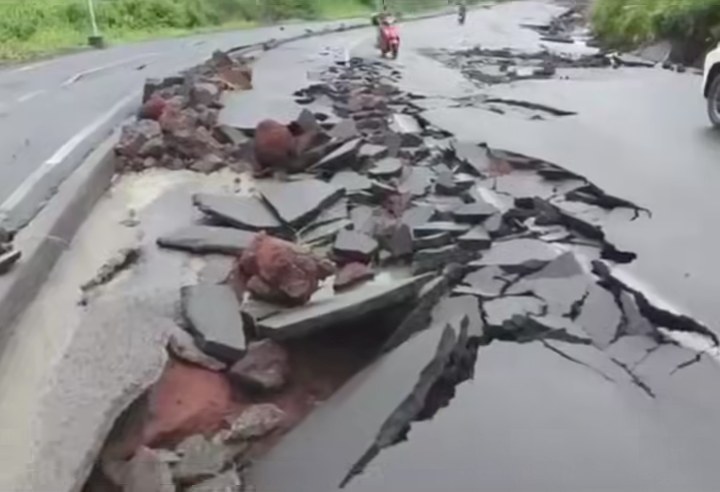
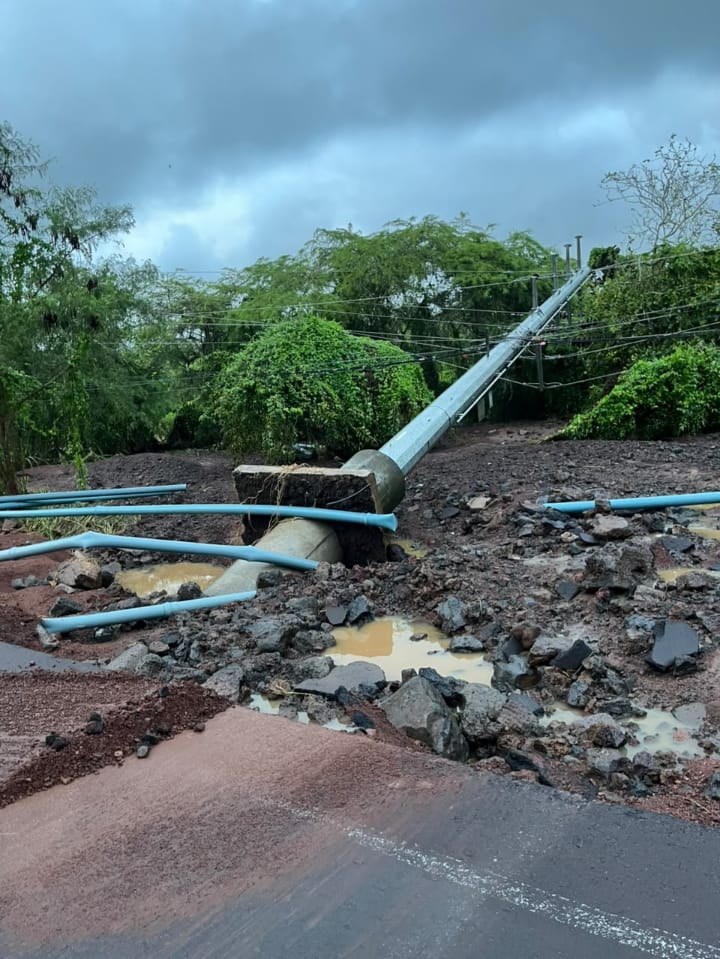
The response from the local, the provincial and the national government in Quito came quickly…though many of the affected residents feel it was too little, too late. The cantonal emergency committee opened the coliseo as a shelter by Saturday morning, and over the next couple of days the national risk secretariat flew in a thousand kits, then seventeen tonnes of food and clothing, then seven more; the cabinet announced that it was working “from the territory” and that “Galápagos no está sola.” The mayor of Santa Cruz told AFP that nothing like it had ever happened on the island and that it exceeded what had been planned for. A teacher in Bellavista told Teleamazonas what it looked like from there on the ground: the first alerts came between ten and eleven on Friday night, when the water was already in the houses; three days later there was still no fixed place where donations were being collected, and no one could say which families had been reached.
I’ve received messages from friends here talking about “friends and coworkers that have lost everything because of the flow”, their whole lives “destroyed in a couple of minutes.” The community has come together and organized to try to help them as best they can, but the people here are devastated and shaken, hoping for a reprieve.
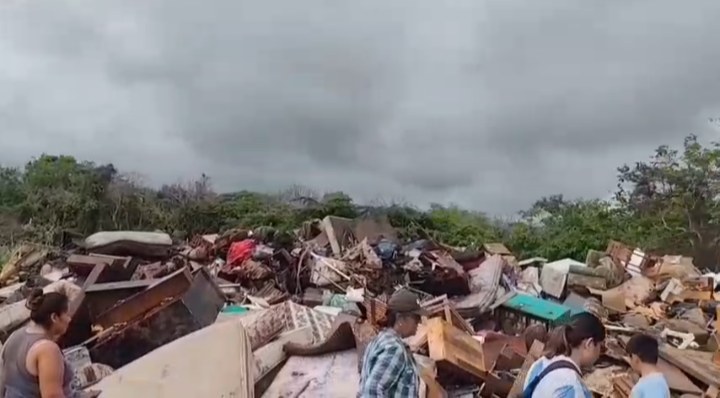
They are also angry… Angry that they’re losing everything when there’s so much corruption here and plenty of people are getting rich, especially off of what are supposed to be public funds. They want reform and transparency. For many months we’ve been warned to expect this year’s El Niño to be the worst we’ve ever experienced, and yet the authorities don’t seem to have been prepared for it at all, certainly not enough. A message has been going around here, I don’t know the source, but it seems to express the local sentiment by and large:
No podemos permitirnos conformar asistencialismos temporales; aunque agradecemos profundamente la noble intención detrás de las donaciones de kits de emergencia por parte de fundaciones y tiendas locales, hoy esto resulta estructuralmente insuficiente frente a la magnitud del desastre. […] Requerimos con urgencia la gestión de proyectos de reubicación habitacional, planes de urbanización planificada y modelos de vivienda segura.
Es de conocimiento público que cuantiosos recursos económicos y millones en fondos de protección y desarrollo ingresan continuamente a la región. Del mismo modo en que se nos convoca a colaborar, exigimos transparencia fiscal y rendición de cuentas institucional para evitar la malversación de recursos mientras la ciudadanía lo pierde absolutamente todo en cuestión de días.
We cannot settle for temporary hand-outs; although we are profoundly grateful for the noble intention behind the donations of emergency kits from the foundations and the local shops, today this is structurally insufficient against the magnitude of the disaster. […] What we urgently need is the management of projects for habitational relocation: planned neighbourhoods and models of safe housing.
It’s public knowledge that enormous economic resources and millions in conservation and development funds flow into this region continuously. In the same way that we are being asked to collaborate, we demand fiscal transparency and institutional accountability, so that the money is not misappropriated while ordinary people lose absolutely everything in a matter of days.
(The same message goes on to report that prices in some shops here have tripled or quadrupled since Friday.)
Five years ago, on my first night back from a cruise during my first visit to the islands, a local Couchsurfing host sat me down at breakfast and explained Galápagos to me. I wrote it up as The Real Galápagos, and I am publishing it today, as I wrote it then, because it is the argument this flood has just made in water. The richest province in Ecuador on paper; the money from tourism and from the park fee leaving the islands; conservation that plans for the ninety-seven percent that is park and not for the three percent where people live; and no drinking water in the taps. The ravines were known. The Consejo de Gobierno said it had identified eighteen high-vulnerability drainage points in rural Santa Cruz over a decade ago in January 2016 and signed an agreement with the municipality to build six drainage boxes. I don’t know if that was ever done, but if it was, it clearly wasn’t enough to prepare for this El Niño, which was declared on 29 August, and the whole country has been under a red alert since. The houses in the channels were still in the channels on Friday night.
The animals are in it too. Claudia at Galápagos Horse Friends, up in Santa Rosa, is dealing with what the rain has done to her herd, and the island’s feeds have filled with lost dogs and cats.
INAMHI expects El Niño to strengthen through November and December and to run into next year. The brochure Galápagos is fine; the tortoises are fine. The other one is under water, and it would like, this time, to be planned for. But as I write this on Monday night, the heavy rains continue, filling all of us who call this our home with anxiety and dread.
How to help:
- Money, from anywhere: the Universidad San Francisco de Quito’s SOS Galápagos fund, which takes online payments. USFQ also receives goods at its Cumbayá campus.
- The Cruz Roja Ecuatoriana takes donations through its portal; as of 1 November it had no separate Galápagos campaign, so a gift goes to its general fund. The Junta Provincial de Galápagos is in Puerto Ayora, (05) 2520-240.
- On the island: the cantonal COE is receiving non-perishable food, clothing and hygiene supplies at the Coliseo Cerrado of the Consejo de Gobierno in Puerto Ayora.
- In Quito, until Friday 6 November: the Escuela de Aviación Quito and Ambrose Airlines are collecting food, clothing and basic goods, in the south at the Casa Barrial Julio Matovelle in Chillogallo, 11:00–16:00, and in the north at the Ambrose Airlines base, Carlos Arroyo del Río N36-174, 11:00–20:00; 098 333 8906.
- For the horses (they need shelter too): Galápagos Horse Friends, Santa Rosa, +593 99 413 5896.
- One caution, which is also the point of the message above: give through an institution, not to a personal account or a link forwarded by someone you don’t know; RECID advises confirming with each institution before giving.

